Stop the leak, remove water, and dry your home
Burst Pipe Water Cleanup Denver CO
Burst Pipe Water Cleanup Denver CO helps homeowners and property managers limit damage after a pipe splits, freezes, or releases water behind a wall. We extract standing water, check affected materials, and set drying equipment based on measured moisture. If your basement, kitchen, or finished room is flooding, call Denver Water Defense at (720) 844-2918 so we can help protect the structure and contents.
Live dispatcherUpfront optionsBacked workmanship
What's included
What Burst Pipe Cleanup Includes
Our service covers emergency assessment, extraction of accessible standing water, moisture checks, and appropriate drying equipment for affected materials. We identify visible damage and explain the next steps as the work progresses. Plumbing repair, reconstruction, and replacement of materials that cannot be salvaged are separate trades or repair tasks, coordinated around the water cleanup so you can address the source and the damage in the right order.
Water Source Assessment
We inspect the reported leak area and confirm whether water is still entering the property. We identify the affected rooms and materials, note safety concerns, and help you understand what needs immediate attention before extraction begins.
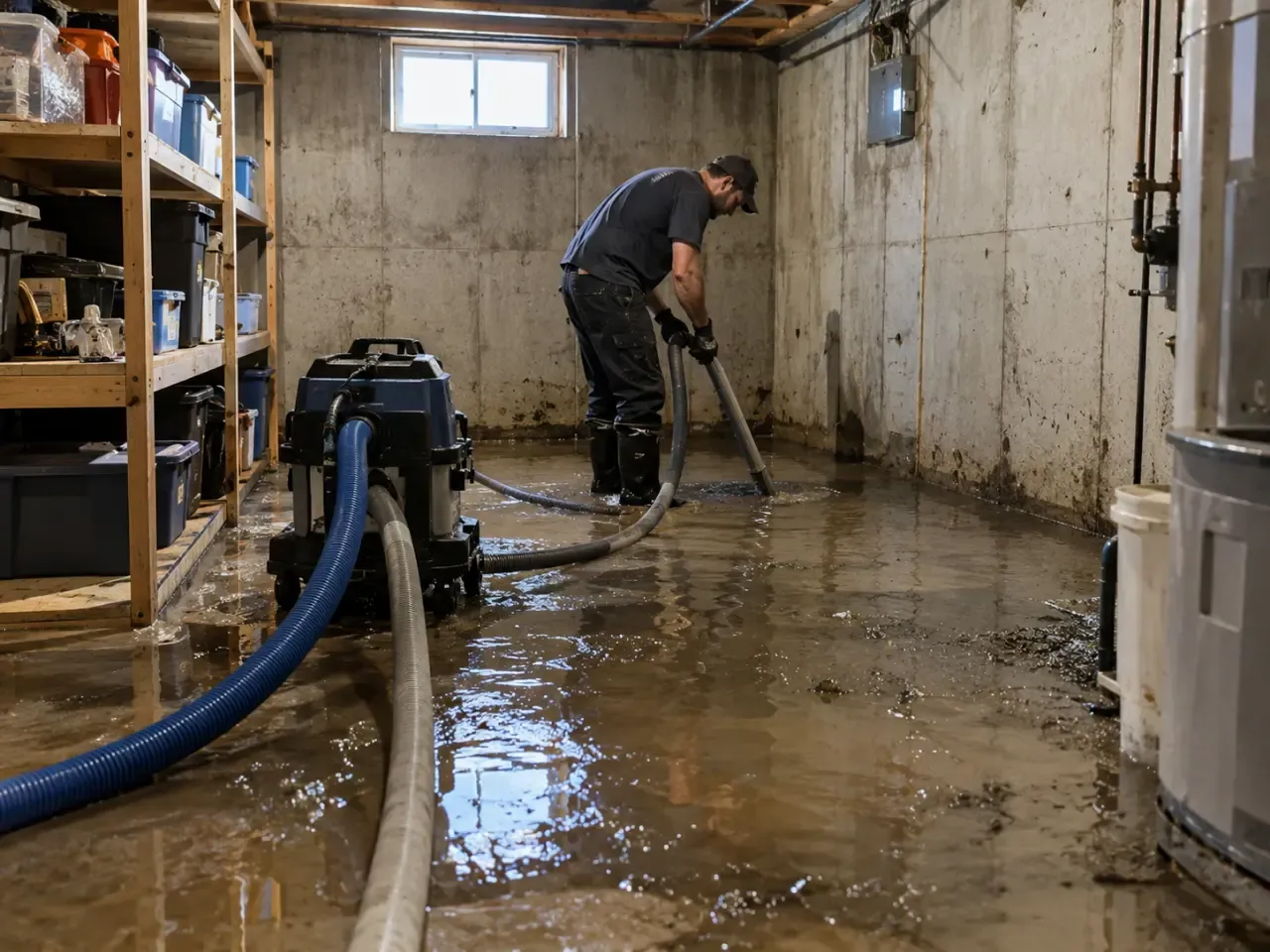
Standing Water Extraction
We remove pooled water with pumps or extraction equipment suited to the water depth and surface. For carpet, we extract moisture from the pile and evaluate the padding below, since saturated layers need a different response than a damp surface.
Moisture Mapping
We check accessible flooring, walls, and other affected materials with moisture measurement tools. When the pattern suggests water may be concealed, we investigate the area further and explain what readings indicate before selecting a drying approach.
Drying Equipment Setup
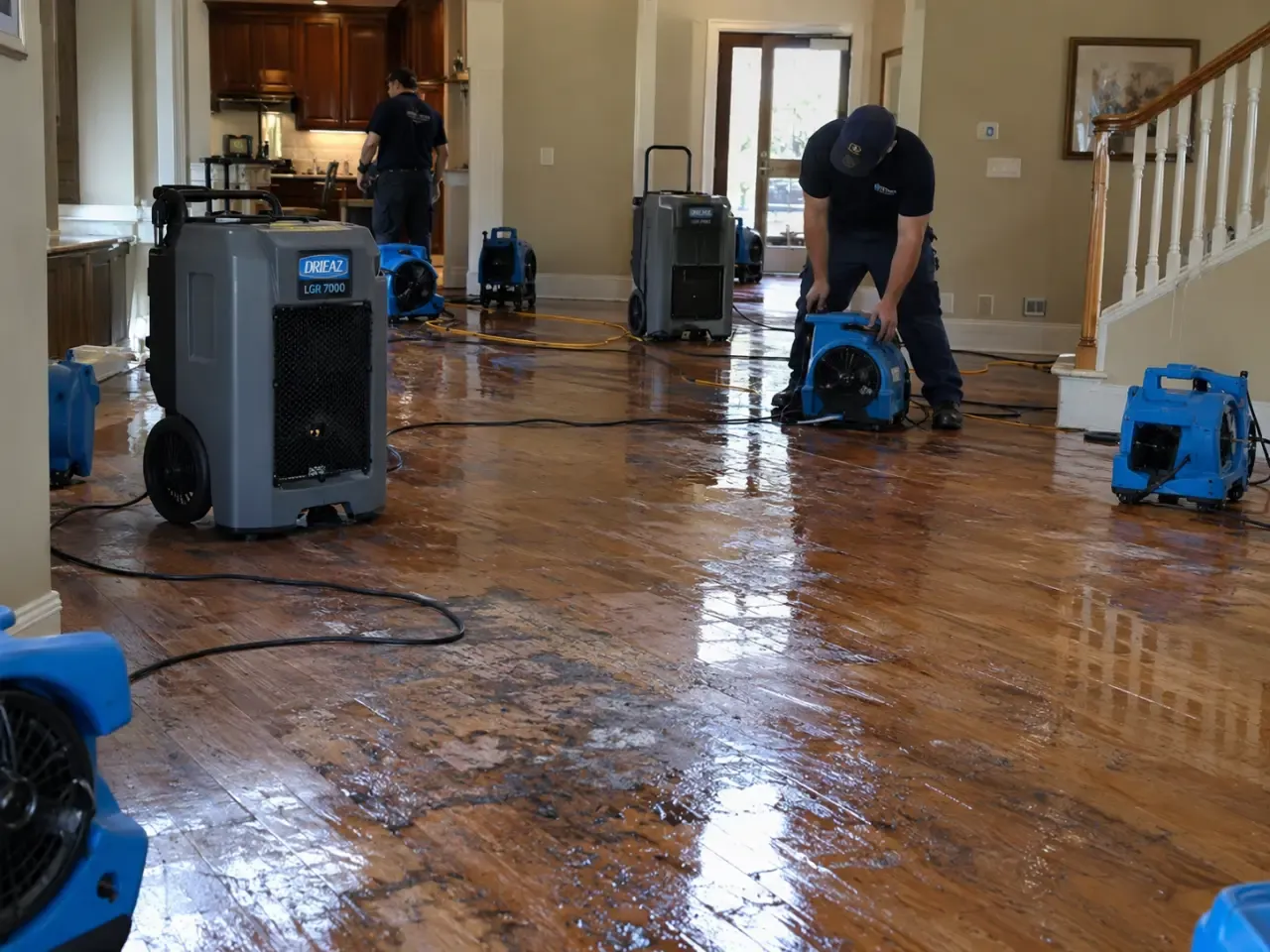
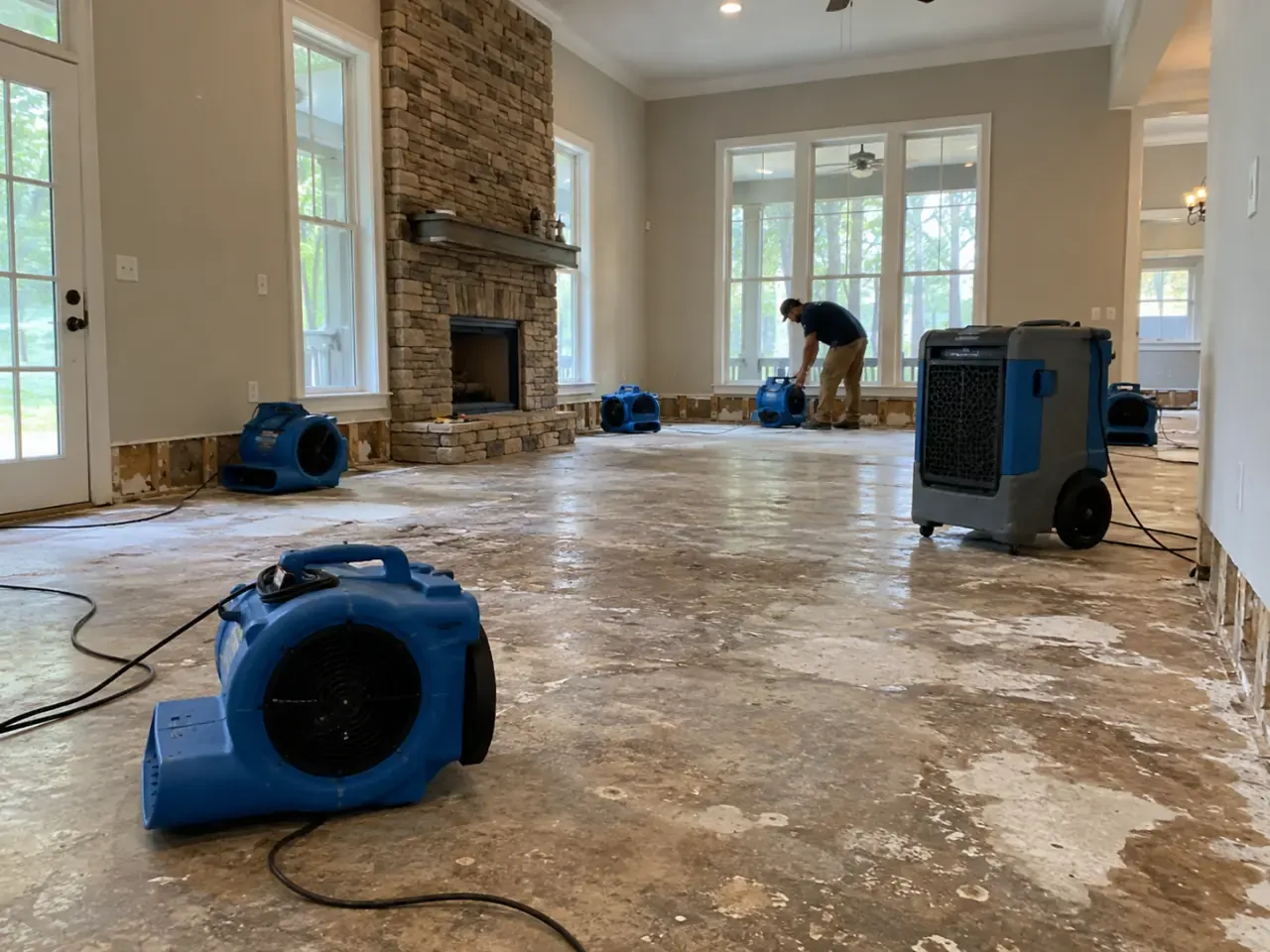
We place air movers and dehumidification equipment to support drying in affected rooms. Equipment arrangement reflects room size, material type, and readings; follow-up checks help us adjust the setup as conditions change.
Progress Review
We revisit affected areas to check drying progress and discuss what the readings show. If a material remains wet or requires repair, we point out the location and explain the next practical step so you can plan the work.
Service overview
Burst Pipe Water Cleanup Denver CO: What It Covers
Burst Pipe Water Cleanup Denver CO is an emergency restoration service that removes water from a property and dries materials after a plumbing line breaks. We begin by identifying the affected rooms and confirming that the water source has been stopped. A submersible pump handles deeper pooling; a truck-mounted water extractor or portable extraction unit removes water from floors and carpet. We then assess carpet padding, hardwood flooring, drywall, and subflooring, because a dry surface does not prove the layers below are dry.
Denver homes face frozen pipe leaks during cold snaps, as well as failed supply lines under sinks, behind appliances, and in ceilings. In older properties, water can travel through plaster, floor underlayment, and wall cavities before a stain appears. Our Denver burst pipe water cleanup process pairs extraction with moisture readings and targeted drying, including 24/7 burst pipe water cleanup in Denver CO when an active leak threatens rooms or belongings. We work across Denver County and tailor equipment placement to the building.
How we workWe verify the cause, compare realistic options, and confirm the repair before we leave.
The service timeline
What to Expect During Cleanup
The process flexes to the condition, but these checkpoints keep decisions clear.
Stabilize the Area
We start by confirming the leak has stopped or helping you identify the shutoff point while plumbing repairs are arranged. We check for electrical hazards, standing water depth, and affected rooms before moving equipment. This first assessment often takes 20 to 45 minutes, depending on access and how far water has spread.
Extract Standing Water
Our technicians choose a submersible pump for deeper pooling and a truck-mounted water extractor or portable extraction unit for floors and carpet. We work from the wettest area outward and protect unaffected contents where possible. Extraction time ranges from about 30 minutes to several hours, based on volume and access.
Map Moisture
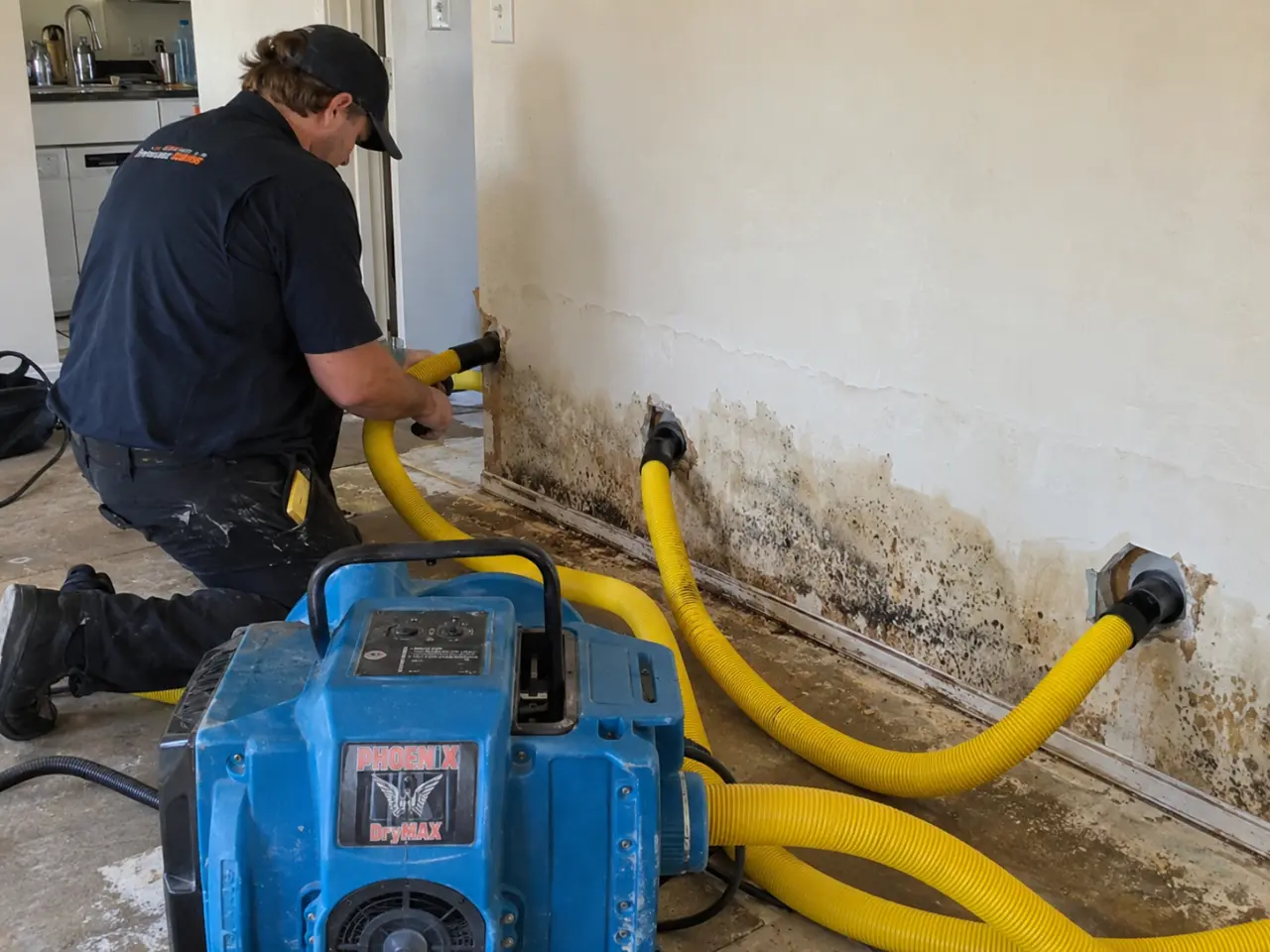
We use a moisture meter to check flooring, lower walls, and other materials around the visible leak. A thermal imaging camera can help locate temperature patterns that suggest concealed moisture, which we then verify with direct readings. You see which surfaces are wet and which areas need drying or further inspection.
Set Drying Equipment
We position air movers to circulate air across wet surfaces and a commercial dehumidifier to remove moisture from the room. Equipment count and placement depend on room size, materials, and readings. We keep access routes usable where possible and explain any noise, heat, or daily checks you should expect.
Recheck and Wrap Up
We revisit readings as drying progresses, adjust airflow, and document changes rather than relying on a fixed equipment schedule. Many straightforward jobs take 3 to 5 days to dry, while concealed water or dense materials can extend the timeline. We review the results with you and outline any remaining repair work.
Tools & methods
Tools and Drying Methods
Purpose-built equipment, used by trained technicians, so the job is done accurately the first time.
Truck-mounted water extractor
High-capacity extraction removes water from accessible floors and carpet after a pipe failure. We use it when hose access and site conditions make it appropriate for the affected rooms.
Portable extraction unit
A portable unit reaches interior rooms, upper floors, and areas where a truck-mounted setup is impractical. It supports controlled extraction from carpet, hard flooring, and confined access points.
Submersible pump
We use a submersible pump to move deeper standing water from a basement or low point before detailed floor extraction begins. The right pump setup depends on depth, access, and safe discharge.
Moisture meter
This tool measures moisture in affected building materials and helps us compare wet locations with unaffected reference areas. Repeat readings show whether drying is progressing.
Air mover and commercial dehumidifier
Air movers circulate air across wet surfaces while a commercial dehumidifier removes moisture from the room. We position and adjust them based on room conditions and material readings.
Thermal imaging camera
A thermal imaging camera helps locate temperature patterns that may point to concealed moisture. We verify suspected areas with direct moisture checks before making treatment decisions.
Use cases
When to Call for Cleanup
These examples show how the service framework adapts rather than forcing every call through one repair.
Kitchen Line Leak Near Cabinets
A failed kitchen supply line released water into the cabinet base and across the adjoining floor. The leak was stopped, but moisture remained at the cabinet toe kick and flooring edge. A quick surface cleanup did not show whether the subfloor had taken on water. → We extracted the floor and accessible cabinet-area water, then checked the floor edge and nearby materials with a moisture meter. Drying equipment ran for 4 days with repeat readings. The customer could see which areas improved and where repair attention was still needed.
Upstairs Leak Through Ceiling
A bathroom pipe break sent water into a ceiling and down toward the room below. The first visible stain was smaller than the wet area around it, and the lower room's floor had begun to feel cool near the wall. The source needed repair before drying could be effective. → After the plumbing source was controlled, we mapped moisture around the ceiling and floor below, extracted accessible water, and set drying equipment. Over 5 days, readings showed improvement across the affected footprint. The property manager had clear locations for follow-up finish repairs.
Problems we solve
Problems We Solve After a Pipe Bursts
A burst line can leave water in places you cannot see, from carpet padding to insulation behind a finished wall. Our response combines extraction with material checks so you can address visible flooding and hidden moisture. For burst plumbing pipe extraction and drying Denver, Colorado property owners need a plan based on readings, not appearances.
Water pooling across a basement floor after a supply line split
We identify low collection points, pump deeper water when needed, and extract remaining moisture from flooring. Then we check the perimeter, lower walls, and nearby materials. If the pipe failure affected carpet or stored contents, we explain which areas need drying and which require separate cleaning or repair.
Carpet feels dry while saturated padding remains underneath
We assess carpet and padding separately, extract water from recoverable materials, and check the subfloor for retained moisture. Drying equipment is positioned to move air across the affected assembly. If the padding cannot be adequately dried or is contaminated, we identify it for removal rather than masking the problem.
A ceiling stain grows after an upstairs pipe leak
We trace the visible footprint, check accessible surrounding surfaces, and use moisture readings to guide further inspection. We coordinate the cleanup sequence with the plumbing repair and explain whether affected drywall or insulation needs drying or removal. That gives you a clearer path from active leak to a dry, repair-ready area.
Hardwood boards begin cupping near a burst plumbing line
We extract accessible water and measure the affected floor and nearby materials. Drying is adjusted to the flooring assembly rather than forcing rapid heat onto the surface. We document changes in readings and tell you when flooring repair or further evaluation is needed.
Pricing process
Burst Pipe Cleanup Pricing
$500 - $5,000+ depending on water volume, rooms, materials, and drying needs
Water volume and depth
A shallow spill on a hard floor takes less extraction time than a basement with several inches of water. Deeper pooling may require pumping before detailed extraction, which increases equipment time and labor.
Number of affected rooms
Water that crosses a doorway or moves between floors requires additional inspection, extraction, and drying equipment. Each room adds surfaces and materials that need evaluation and follow-up readings.
Material type and saturation
Carpet, hardwood, drywall, and insulation respond differently to water. Saturated padding or concealed moisture can require extra drying or removal, while a contained leak on a sealed hard surface may need less work.
Who offers emergency burst pipe cleanup in Denver?
Denver Water Defense provides emergency pipe leak cleanup Denver property owners can call at (720) 844-2918. We assess the leak area, remove standing water, and set drying equipment based on the affected materials and moisture readings. If water is still flowing, close the nearest safe shutoff and call a plumber to stop the source while we address the water damage. We serve Denver County neighborhoods and surrounding Denver communities.
How much does burst pipe water removal cost in Denver CO?
In Denver, basic extraction commonly costs $500 to $1,500, while broader drying and material removal can bring a job to $1,500 to $5,000 or more. Typical 2026 pricing in this area depends on water volume, affected rooms, flooring, access, and drying duration. We explain pricing upfront before work proceeds. A small clean-water leak caught quickly usually costs less than water that has soaked insulation, drywall, or multiple floors.
How quickly should water be extracted after a pipe bursts?
Start extraction as soon as the water source is controlled, ideally within 24 hours, to limit migration and material damage. Water can spread under flooring and into wall cavities long before surfaces look soaked. Move people and pets away from standing water, avoid wet electrical areas, and call for help promptly. Our technicians use extraction equipment first, then measure affected materials and begin drying.
Does burst pipe cleanup include drying and moisture checks in Denver?
Yes, our cleanup includes moisture checks and drying setup for affected materials, with follow-up readings to track progress. We use air movers and commercial dehumidifiers where appropriate, then assess whether carpet padding, drywall, or subflooring remains wet. The amount of equipment and number of visits depend on the damage. For extensive structural drying, we explain the affected areas and expected monitoring schedule.
Related services
Related Restoration Services
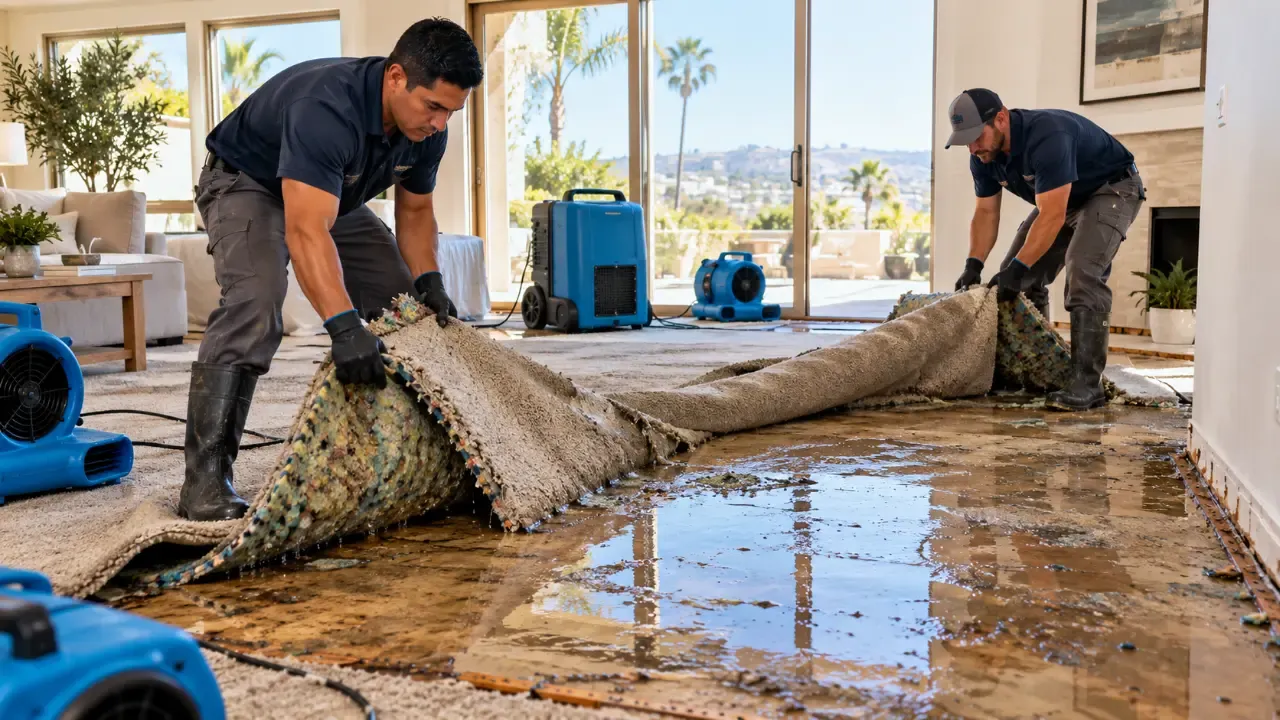
Flood Water Extraction & Cleanup
A burst line can flood more than one room before the water is shut off. Our flood cleanup work adds broad extraction and moisture checks when water has spread across a basement, lower level, or several connected spaces in Denver.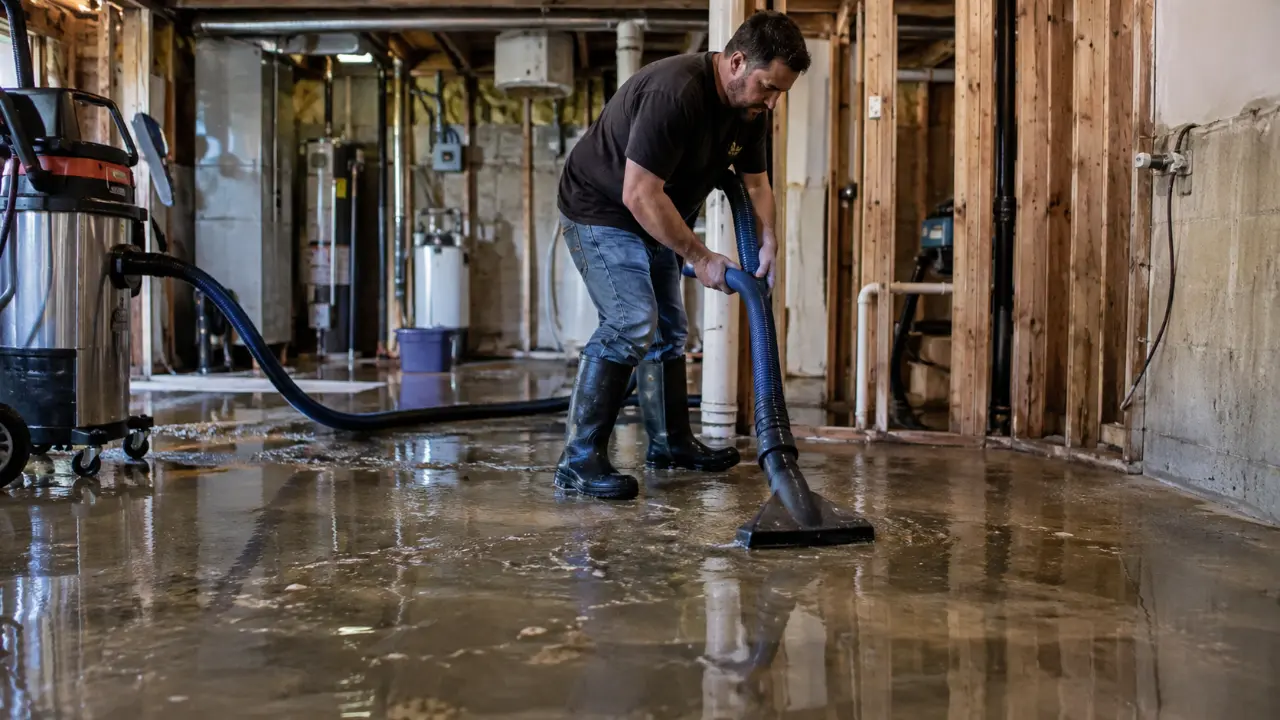
Basement Water Removal
When a pipe breaks in a basement, water can collect at low points and soak stored belongings, carpet, and wall finishes. We pump and extract pooled water, then assess the lower walls and flooring for moisture that needs active drying.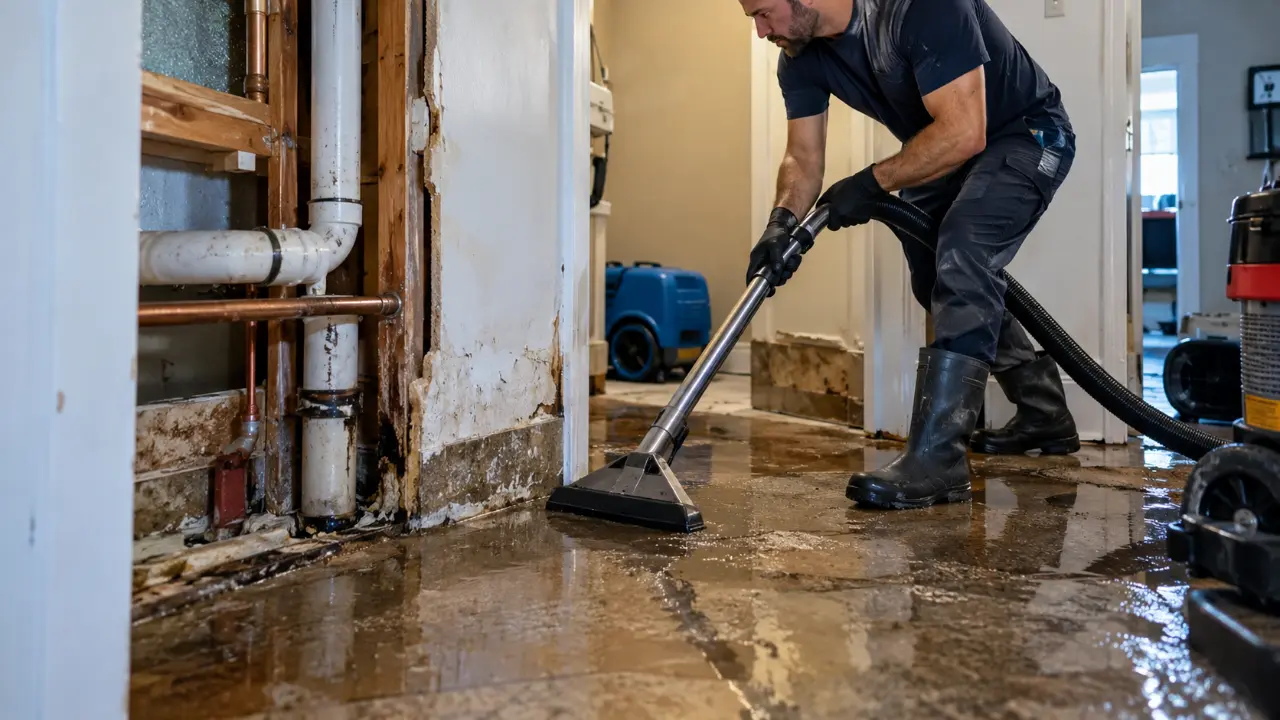
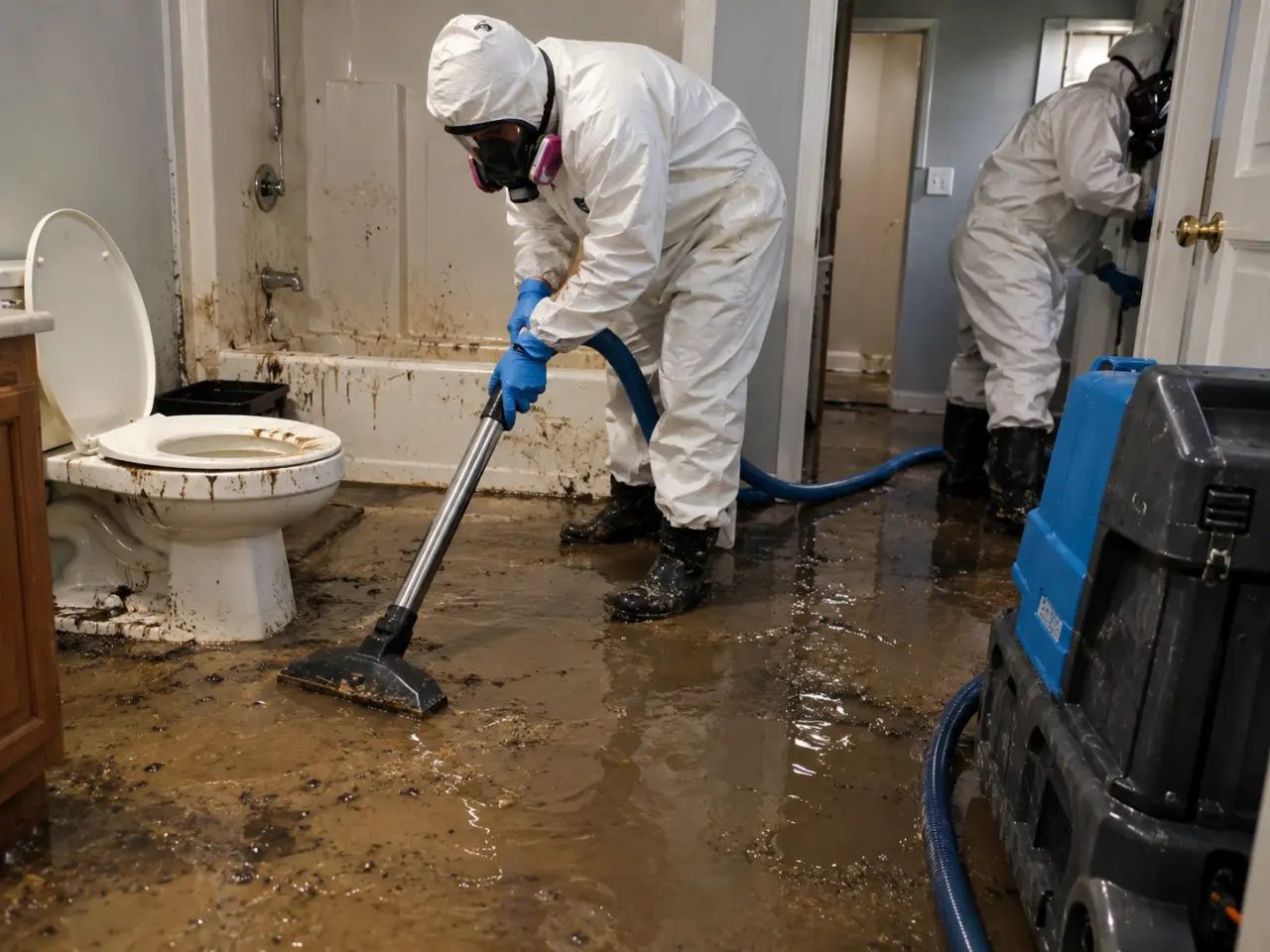
Sewage Backup Cleanup
A failed pipe connected to a contaminated drain requires different handling than a clean supply-line leak. Our sewage backup service addresses affected surfaces with appropriate protective procedures, removal, and cleaning rather than treating all water as the same.Ready when you are
Call for Burst Pipe Water Cleanup Denver CO
Standing water keeps moving until it is extracted and the leak is controlled. Call Denver Water Defense at (720) 844-2918 for direct help with extraction and drying. We provide upfront pricing before work proceeds.
Talk with the local team
Request Burst Pipe Water Cleanup
If water is pooling in your home or business, call Denver Water Defense at (720) 844-2918. We take emergency calls 24/7 and respond to water extraction needs across Denver, CO. Tell us where the water started, which rooms are affected, and whether power or sewage is involved so our team can help you prioritize the next step.