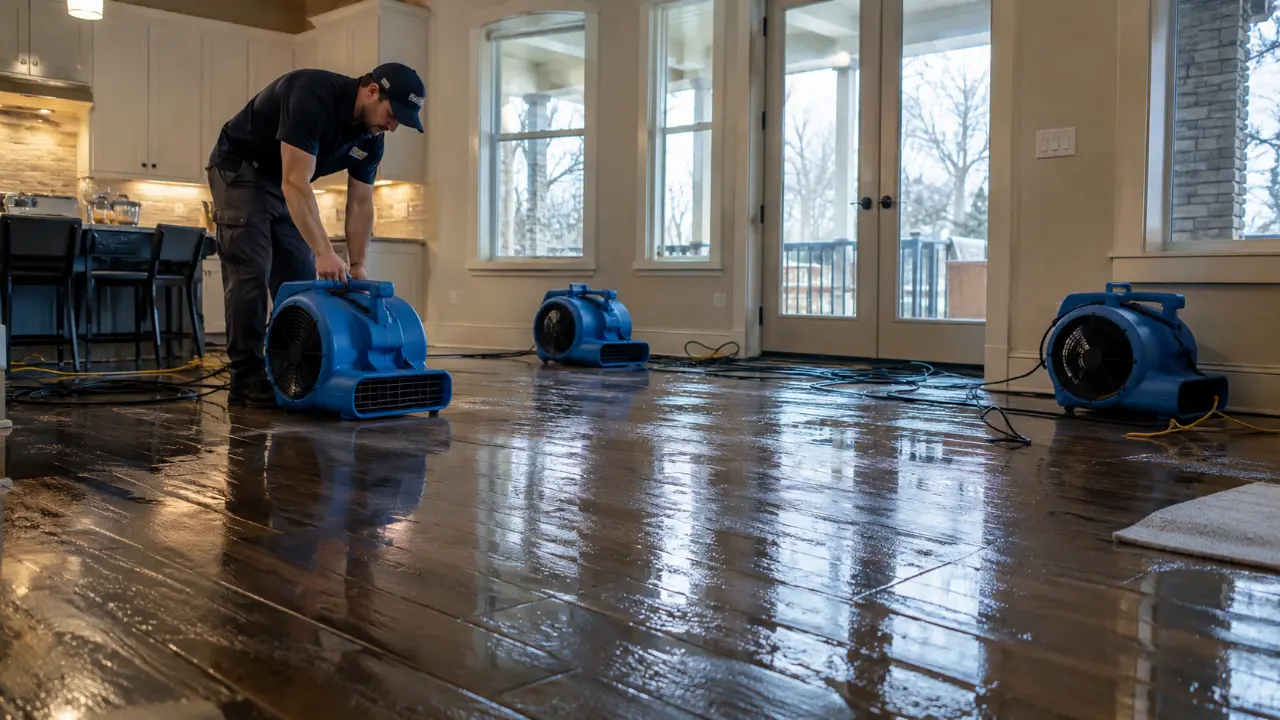
Measured drying for homes and businesses after water damage
Structural Drying and Dehumidification Denver CO
Structural Drying and Dehumidification Denver CO removes trapped water and controls indoor humidity before damp materials deteriorate. We help homeowners, property managers, and businesses after burst pipes, basement flooding, appliance leaks, or firefighting water. Our Denver crew extracts standing water, checks concealed materials, and places drying equipment according to measured conditions, so you know what is wet, what can be saved, and when the structure is ready for repairs.
Live dispatcherUpfront optionsBacked workmanship
What's included
What's Included in Structural Drying
Our structural drying service covers moisture assessment, extraction of accessible standing water, drying equipment placement, and documented follow-up readings. We explain which materials are being monitored and adjust the setup as they dry. If contaminated water, extensive demolition, or reconstruction is involved, those tasks require additional cleanup or repair work. You receive a clear description of the drying work before equipment is installed.
Moisture Assessment
We inspect affected rooms and use a moisture meter to check materials such as drywall, flooring, and subflooring. Where useful, thermal imaging helps identify areas that need direct testing. Readings guide the drying boundary and help prevent missed moisture beyond the obvious stain.
Standing Water Removal
We extract accessible water with equipment suited to the depth and location, including a portable extraction unit or submersible pump when appropriate. Removing bulk water first helps the drying system focus on moisture held in materials, rather than water still pooled on the floor.
Drying Equipment Setup
We place air movers and commercial dehumidifiers based on the affected materials and room conditions. The setup is designed to move moisture from surfaces into the air and then remove it. We explain equipment noise, access needs, and which areas should remain undisturbed.
Progress Documentation
We take follow-up moisture readings and note changes to equipment placement as the job progresses. You can see whether materials are drying and which areas still need attention. Documented readings also give your repair contractor a clearer handoff when drying is complete.
Drying Completion Review
At the end of active drying, we compare final readings with suitable dry references and review the affected materials with you. We identify any remaining repair work, such as replacing removed insulation or restoring flooring, so the next stage can be planned around the actual condition of the structure.
Service overview
Structural Drying and Dehumidification Denver CO
Structural Drying and Dehumidification Denver CO is a water damage restoration service that removes absorbed moisture from building materials after a leak or flood. We start by stopping active water entry when possible, extracting standing water, and mapping wet areas with a moisture meter. Air movers increase evaporation from exposed surfaces while a commercial dehumidifier collects moisture from the air. Drying is not finished because a room feels comfortable; we compare readings in drywall, subflooring, and other affected materials against dry reference areas and document the trend.
Denver homes face burst pipe water damage and frozen pipe leaks during cold snaps, while spring storms and appliance failures can soak lower levels at any time. Older plaster, finished basements, and layered flooring can hide water beyond the visible stain. Our Denver structural drying services address those concealed areas with targeted equipment and repeat checks. If a leak has spread through several rooms, a 24/7 structural drying service in Denver CO can limit the time water remains in walls and floor assemblies.
How we workWe verify the cause, compare realistic options, and confirm the repair before we leave.
The service timeline
What to Expect During Drying
The process flexes to the condition, but these checkpoints keep decisions clear.
Inspect and Map
We ask where the water started, when it was noticed, and whether the source is still active. Then we inspect nearby rooms, ceilings, closets, and floor edges, using moisture readings to map hidden spread. The first assessment often takes 30 to 90 minutes, depending on the size and layout. You receive a practical explanation of what is wet and what needs attention.
Extract Standing Water
We remove pooled water before setting the drying system. A truck-mounted water extractor or portable extraction unit handles broad areas; a submersible pump is useful for deeper basement water, and a wet/dry vacuum reaches smaller spaces. This first removal often takes one to several hours. We protect unaffected contents and separate materials that require different handling.
Set Drying Equipment
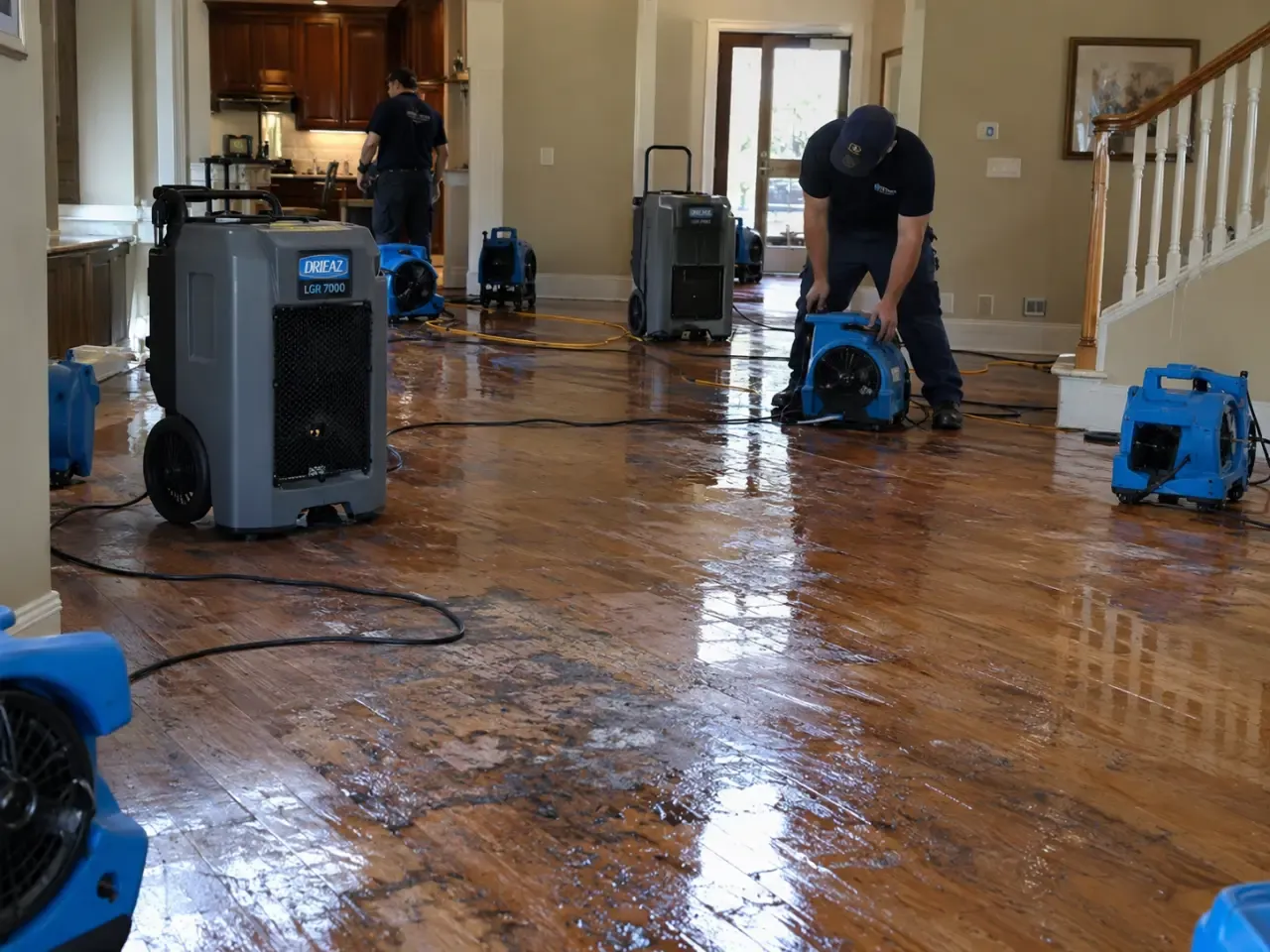
We place air movers to circulate air across damp surfaces and position a commercial dehumidifier to remove the evaporated moisture. Equipment count depends on the affected area, material, and measured conditions, not a standard one-machine-per-room rule. We route cords and hoses carefully, explain operating noise, and show you which areas need to remain accessible.
Check Readings Daily
Our technicians return to take repeat readings, inspect equipment, and adjust airflow or dehumidification as materials dry. Daily checks catch stalled progress, a displaced air mover, or moisture that has migrated into an adjacent assembly. You can expect the equipment to run continuously during active drying, while we explain any change to the setup and the next checkpoint.
Confirm Drying Completion
We compare final readings with appropriate dry standards and unaffected reference materials before removing equipment. Many residential jobs take about 3 to 5 days; dense materials or broad water spread can extend that period. We review the recorded results with you and identify any remaining repair work, such as replacing removed drywall or reinstalling flooring.
Tools & methods
Drying Tools and Methods
Purpose-built equipment, used by trained technicians, so the job is done accurately the first time.
Moisture meter
We use a moisture meter to check affected materials and compare readings with dry reference areas. Those measurements help define the drying zone and show when drywall, flooring, or subflooring is ready for the next step.
Commercial dehumidifier
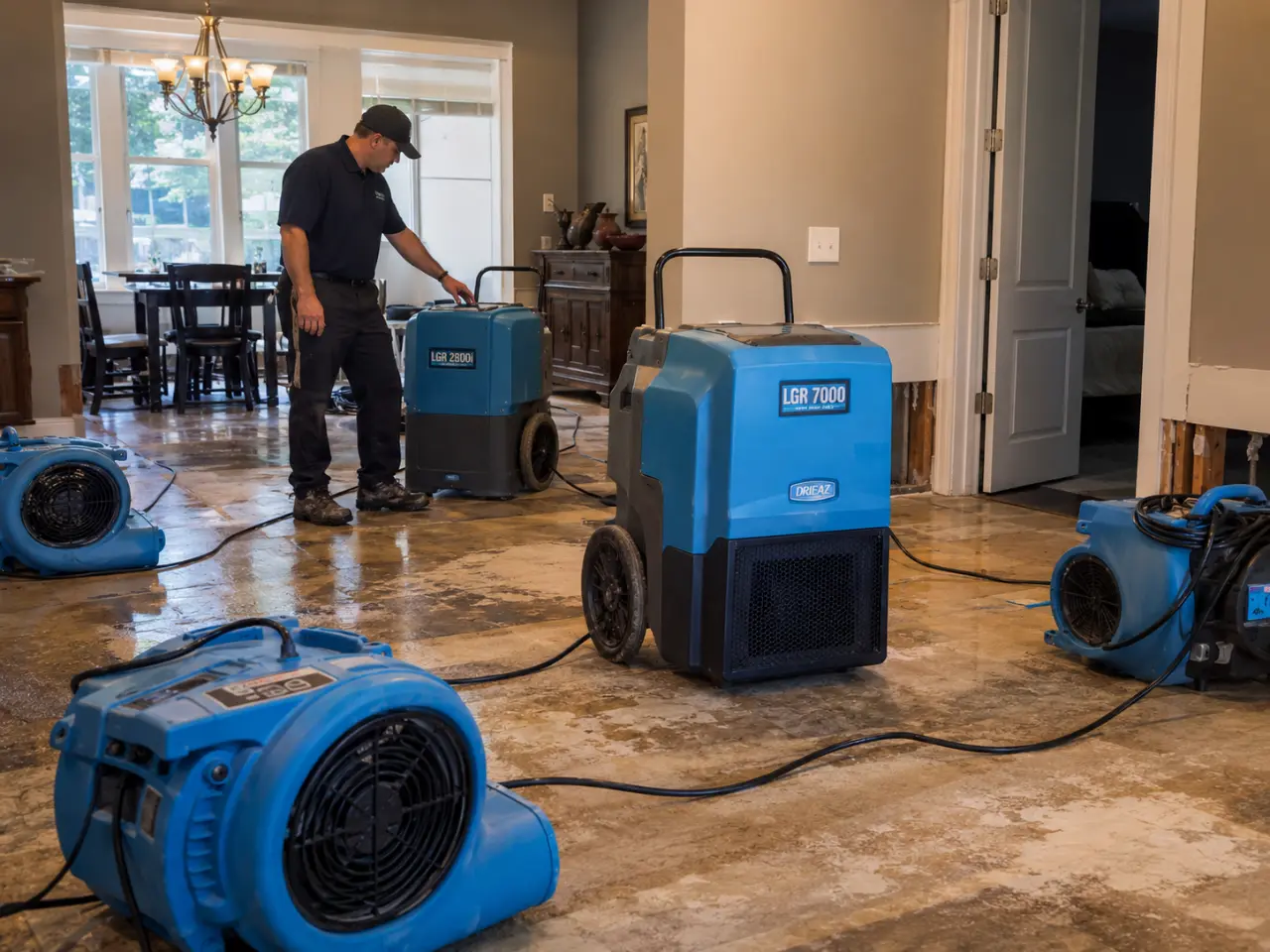
A commercial dehumidifier removes water vapor from the air as moisture evaporates from building materials. We size and position the unit according to the affected area and track conditions during follow-up visits.
Air mover
Air movers direct airflow across damp surfaces to encourage evaporation. We position them to reach affected materials without simply pushing air through an unplanned path or disturbing unaffected areas.
Thermal imaging camera
A thermal imaging camera helps locate temperature patterns that can indicate areas for closer inspection. We confirm suspected moisture with direct measurement because an image alone does not establish that a material is wet.
Injection drying system
An injection drying system can deliver controlled airflow into selected cavities or layered assemblies when access is limited. We assess the construction and readings first, then use targeted drying where it suits the affected material.
Dri-Eaz equipment
Dri-Eaz drying equipment is used in professional restoration settings for air movement and dehumidification. The equipment choice and placement depend on the water loss, material type, room conditions, and measured drying progress.
Use cases
When to Use Structural Drying
These examples show how the service framework adapts rather than forcing every call through one repair.
Frozen Pipe Behind a Bedroom Wall
A frozen pipe leak soaked part of a bedroom wall and continued beneath the adjoining hallway floor. The visible stain covered only a small section, but readings showed moisture extending beyond it. The family needed a clear answer about whether the flooring could remain and whether the wall cavity needed attention. → We extracted water from the floor, mapped the wall and hallway, and set air movers with dehumidification. Over five days, repeat readings tracked drying across the affected materials. The final review identified the dry areas and the section requiring repair, giving the family a practical handoff instead of a guess based on the stain.
Overflow Beneath Hardwood Flooring
A washing machine overflow spread from a laundry room into a hardwood-floored hallway. The boards began to cup, and the homeowner was concerned that water had reached the subfloor. Surface towels removed the visible water but did not show how much moisture remained between the boards and the floor assembly. → We extracted accessible water and measured the hardwood and subfloor areas that could be checked. Controlled drying equipment ran for six days, with readings reviewed during follow-up visits. The measurements showed the direction of change and helped the homeowner and repair contractor decide where additional floor work was needed.
Problems we solve
Problems Solved by Measured Drying
Hidden moisture can outlast the leak that caused it. Our Denver crew traces water through building materials, removes what can be extracted, and controls evaporation so damp areas do not remain unchecked behind finishes.
A basement floor looks dry, but wall bottoms remain damp.
We inspect beyond the visible puddle and take readings at wall bases, flooring, and accessible cavities. After extraction, we place air movers and dehumidification equipment to address the measured wet area. Follow-up checks show whether moisture is dropping or whether a material needs removal before repairs.
Carpet saturation leaves padding and subflooring wet.
We extract water from the carpet, assess the padding and floor assembly, and determine which layers are suitable for drying. Equipment is placed to move moisture from the affected materials, with readings taken below the surface when accessible. You receive a clear explanation of what can be retained and what needs replacement.
A frozen pipe leak soaks a wall and adjacent flooring.
We map the spread around the leak, remove standing water, and check adjacent materials rather than drying only the visible section. Controlled airflow and dehumidification target the affected assembly. If water is trapped in a wall cavity, we assess whether targeted access or cavity drying is appropriate.
Hardwood boards cup after water reaches the floor assembly.
We assess moisture at the hardwood and accessible subfloor, extract water where possible, and manage drying conditions carefully. Repeat readings help track whether the assembly is moving toward a stable condition. We avoid treating a change in appearance alone as proof the floor is dry.
Pricing process
Structural Drying Pricing
$500 - $4,500 for many residential drying jobs; larger or complex losses cost more
Affected square footage
A single bathroom floor usually needs less equipment and monitoring than a flooded basement spanning several rooms. The total area influences extraction time, equipment quantity, and the number of readings needed to track drying. Water that has crossed a doorway may increase the assessment area even when the visible puddle was small.
Material and assembly type
Carpet, drywall, plaster, hardwood, and insulation retain water differently. A layered floor or enclosed wall may require more inspection and longer equipment use than an exposed hard surface. When materials are saturated beyond practical drying, removal and later replacement add work beyond the drying service.
Water volume and contamination
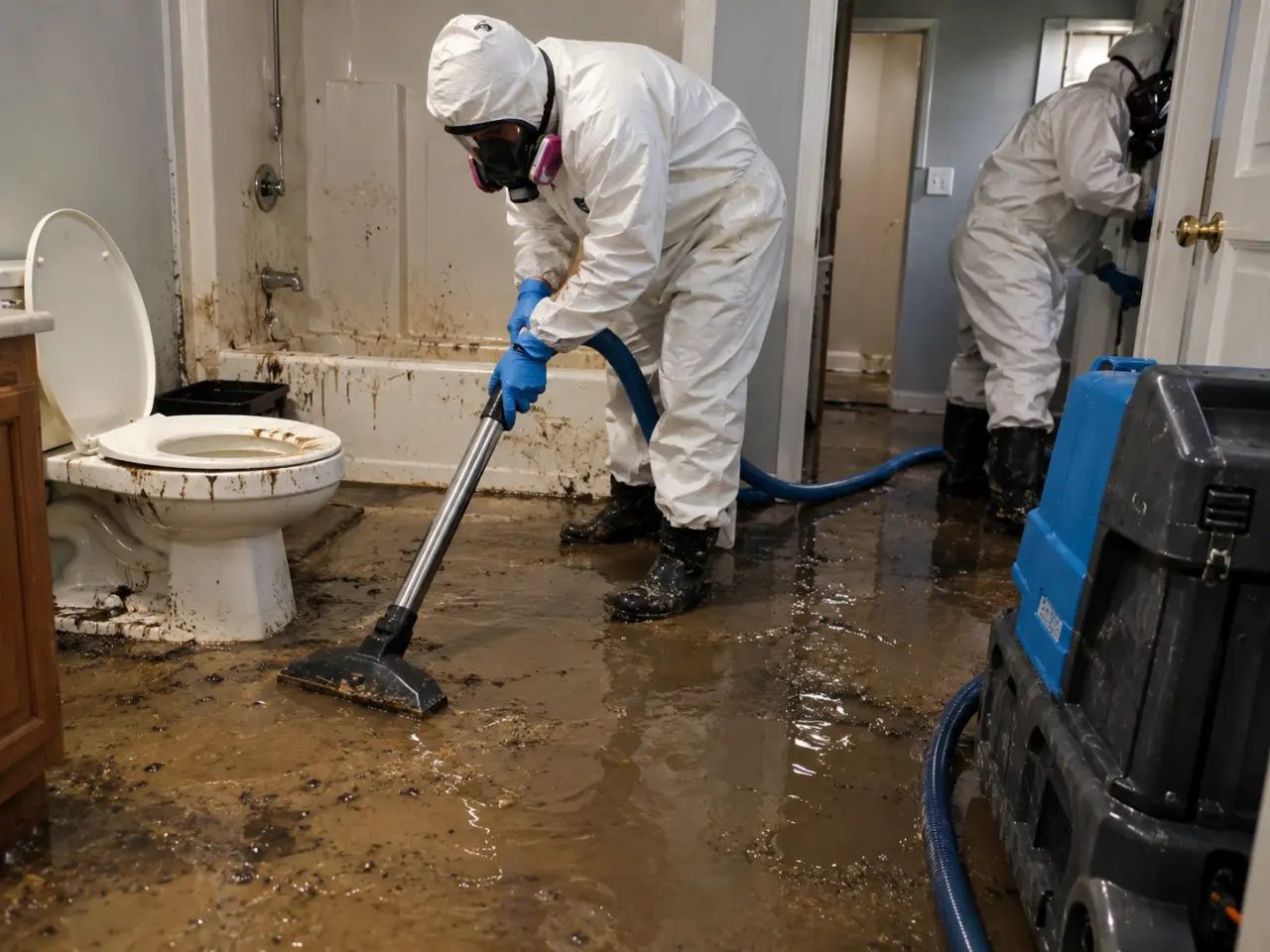
A shallow appliance overflow takes less extraction than several inches of basement water. Contaminated water also requires additional handling and cleanup steps before drying begins. The source and condition of the water affect what can be retained and how the affected area must be prepared.
How long does structural drying take in Denver?
Most residential structural drying jobs take about 3 to 5 days, while extensive or concealed moisture can require a week or longer. Material type, water volume, temperature, and access all affect the timeline. We check moisture readings during the job and remove equipment only when affected materials meet appropriate drying goals. The first inspection gives you a more useful estimate than a calendar promise made before we see the damage.
What does water damage dehumidification include in Denver CO?
Water damage dehumidification Denver work includes moisture assessment, water extraction when needed, equipment placement, and follow-up readings. We use air movers to encourage evaporation and a commercial dehumidifier to remove moisture from the air. If water has entered a cavity, we assess whether targeted access or an injection drying system is appropriate. The service addresses drying; demolition, rebuilding, and replacement materials are separate repair tasks.
When should a Denver property use professional drying equipment?
Use professional drying equipment when water reaches carpet padding, drywall, insulation, subflooring, or a concealed wall or floor cavity. A household fan does not measure or control moisture across those materials. We assess the area, extract standing water, and place equipment suited to the affected surfaces. For a same-day building drying near me in Denver search, call when you discover spreading water, persistent dampness, or a leak that has soaked more than a small, hard surface.
How do professionals measure moisture during structural drying?
We measure moisture at affected materials and compare the readings with dry reference areas, then repeat checks as the structure dries. A moisture meter helps assess accessible materials; thermal imaging can help locate temperature patterns that warrant closer inspection, but it does not replace direct measurement. We record conditions and adjust airflow or dehumidification when readings stall. This method helps distinguish a dry surface from a still-wet subfloor or wall cavity.
Related services
Related Water Damage Services
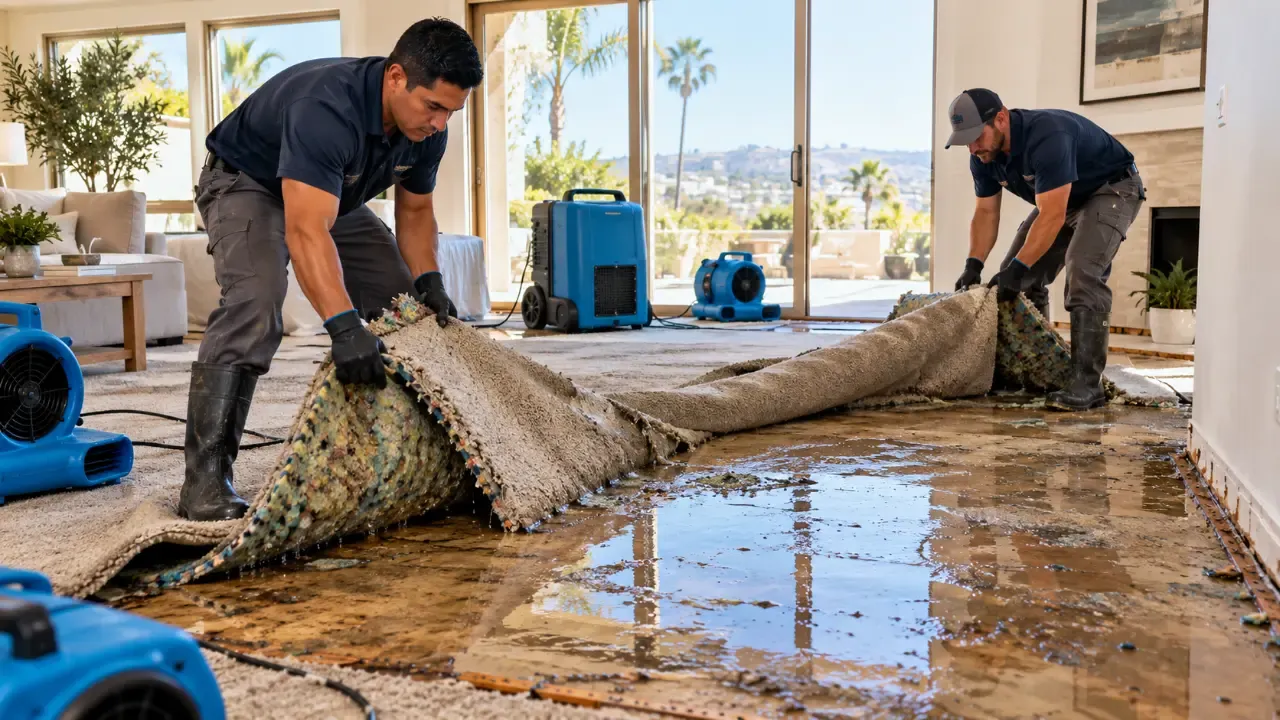
Flood Water Extraction & Cleanup
Flood cleanup begins by removing standing water and affected debris; structural drying follows to address moisture left in building materials. For Denver properties with water across several rooms, we coordinate extraction with drying equipment and track the remaining moisture so repairs do not begin over a wet structure.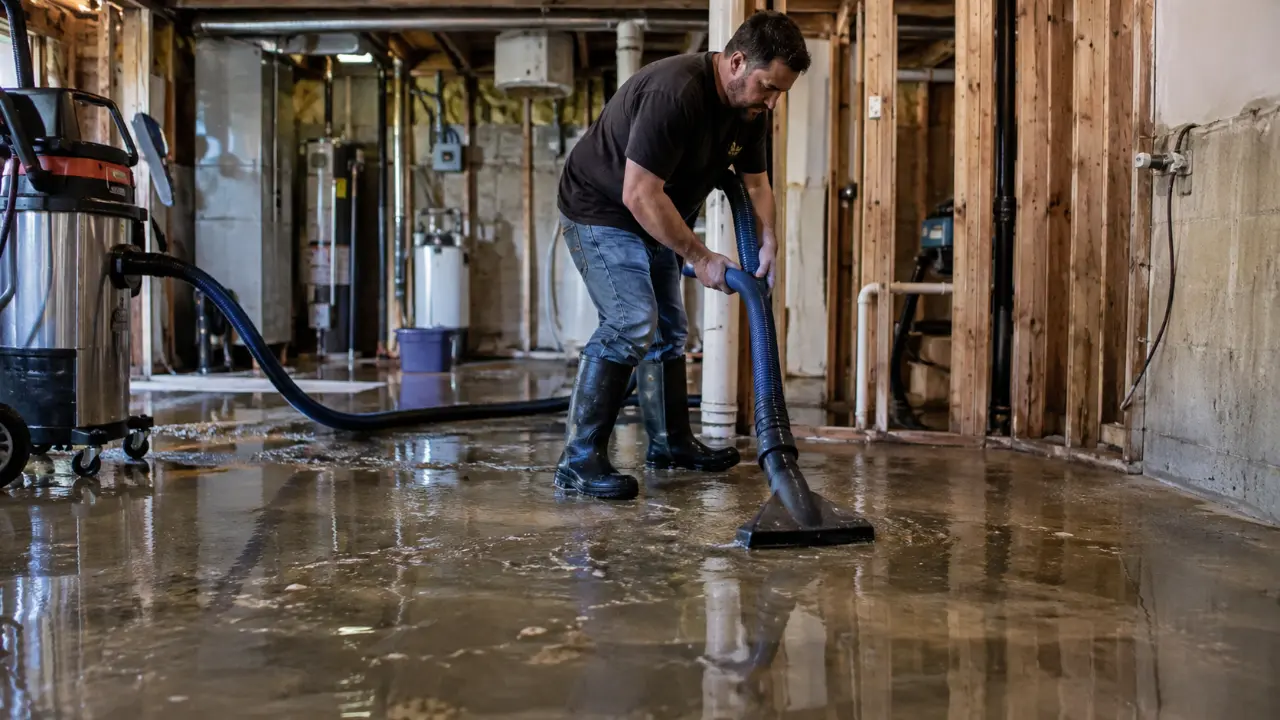
Basement Water Removal
Basement water removal clears pooled water from lower levels after storms, plumbing failures, or drainage problems. Once the water is out, we check flooring, wall bases, and concealed spaces for moisture that can remain after the floor looks clean. That drying step helps prepare your basement for safe repair.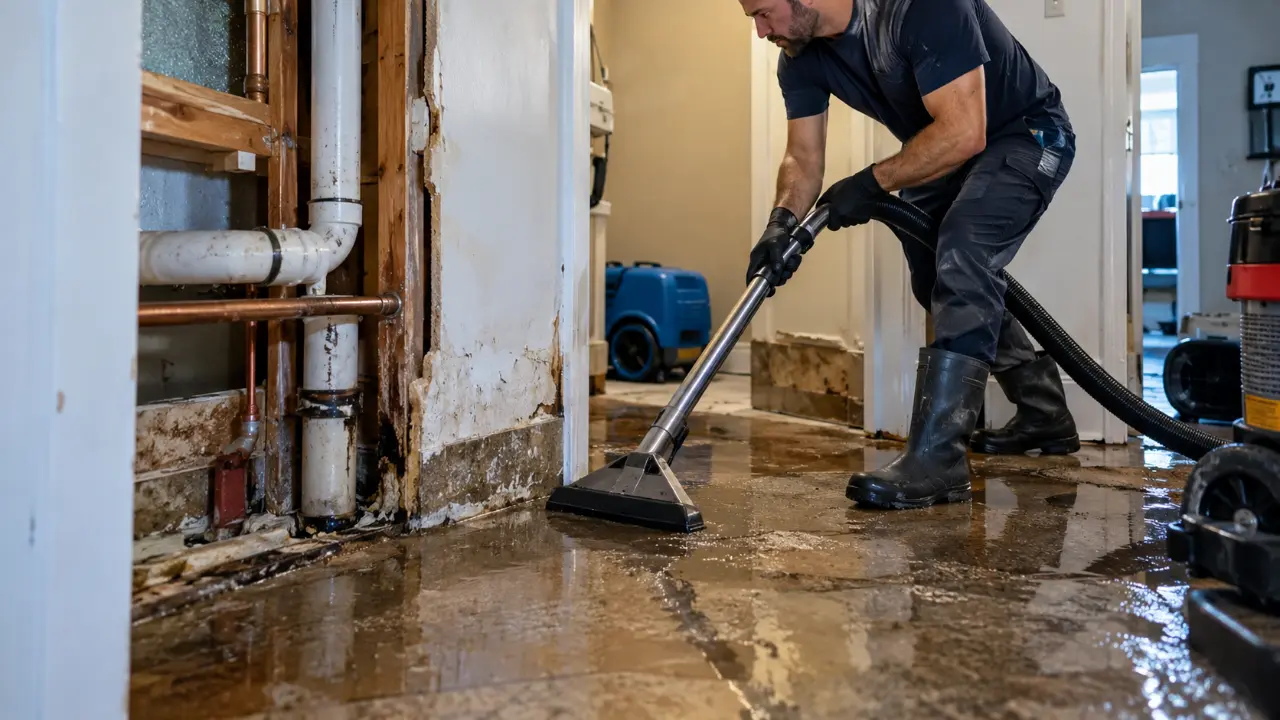
Sewage Backup Cleanup
A sewage backup requires careful removal and cleaning before structural drying begins. We address contaminated water and affected porous materials, then dry remaining salvageable building components with controlled equipment. This sequence helps Denver property owners avoid spreading contamination while getting wet surfaces and assemblies ready for restoration.Ready when you are
Get Structural Drying Started in Denver
Wet materials keep absorbing damage while water remains trapped in the structure. Call Denver Water Defense at (720) 844-2918 to discuss the affected area and arrange a drying assessment. Our technicians use measured readings to guide the work.
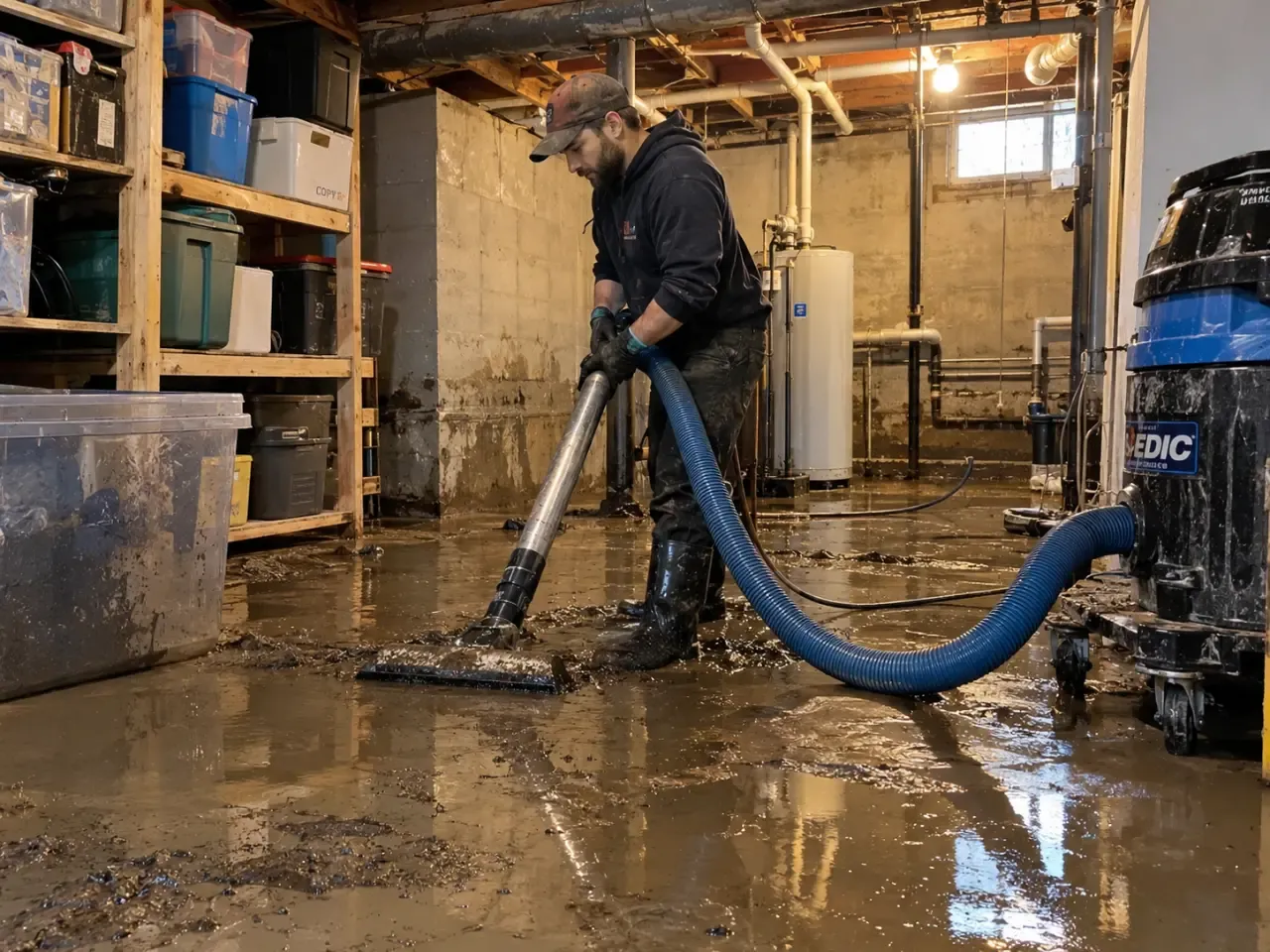
Talk with the local team
Request Structural Drying & Dehumidification
If water is pooling in your home or business, call Denver Water Defense at (720) 844-2918. We take emergency calls 24/7 and respond to water extraction needs across Denver, CO. Tell us where the water started, which rooms are affected, and whether power or sewage is involved so our team can help you prioritize the next step.