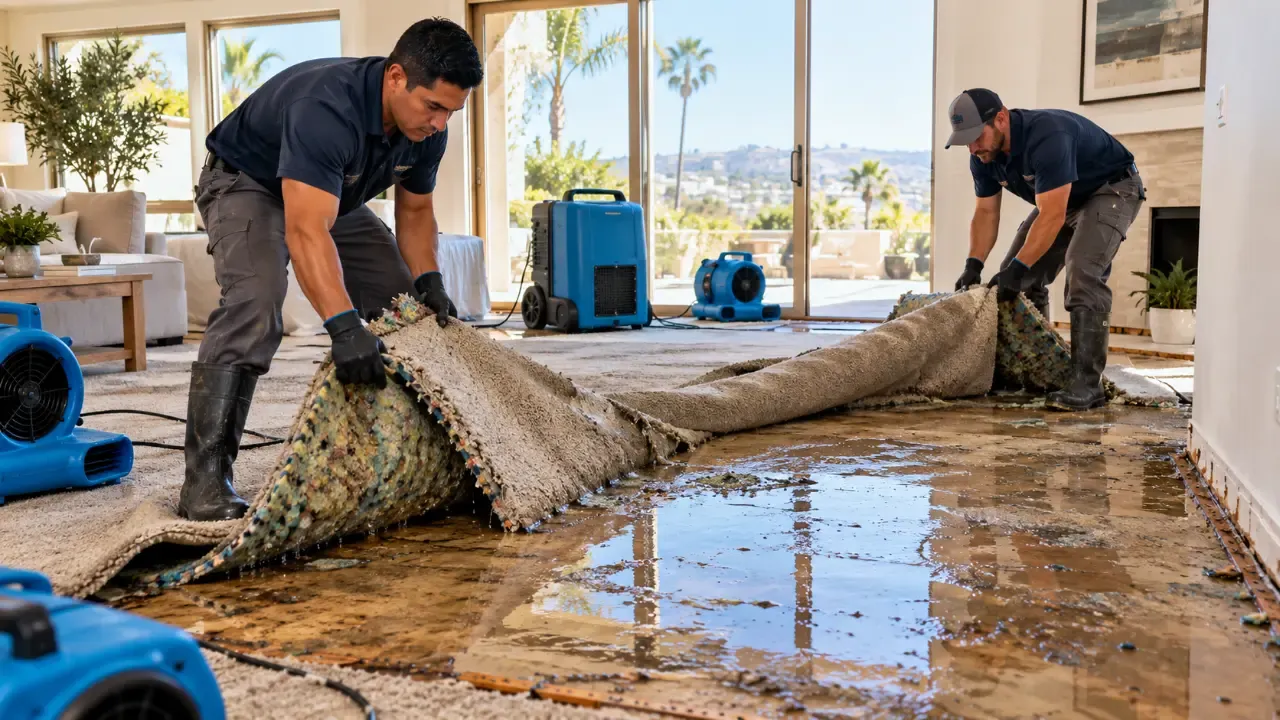
We remove floodwater and start drying your property
Flood Water Extraction & Cleanup in Denver
Flood Water Extraction & Cleanup in Denver gets standing water out of homes and businesses before it keeps soaking floors, walls, and contents. Denver Water Defense responds to basement flooding, burst pipes, storm water, and appliance overflows with pumps, extraction equipment, and a measured drying plan. If water is spreading through your property now, call us at (720) 844-2918; our team will assess the source, remove accessible water, and explain the next steps.
Live dispatcherUpfront optionsBacked workmanship
What's included
What Flood Cleanup Includes
Flood Water Extraction & Cleanup covers assessment, removal of accessible standing water, inspection of affected materials, and drying setup with progress checks. We explain any cleaning steps based on the water source and condition. Rebuilding, replacement flooring, plumbing repairs, and extensive demolition are separate work; if those are needed, we identify the affected area and discuss the next step with you.
Water Source Assessment
We identify where water entered, what rooms it reached, and whether the source is still active. This helps distinguish a clean pipe leak from storm water or sewage and guides safe handling. We also note visible damage and establish reference points for moisture checks.
Standing Water Removal
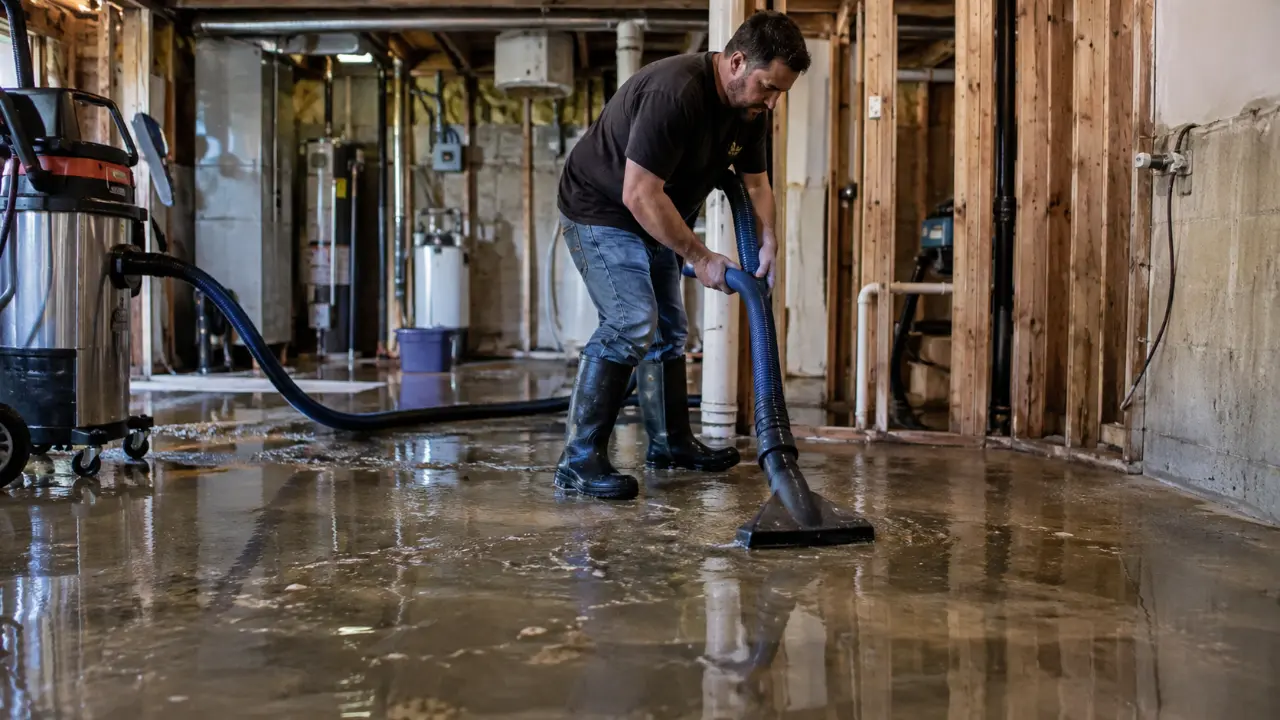
We use a pump for deeper water and extraction equipment for accessible flooring and surfaces. Repeated passes remove water from carpet and other suitable materials. The goal is to reduce liquid water before drying begins, not to mask a wet assembly with airflow alone.
Material Moisture Checks
We inspect affected flooring, drywall, and lower wall areas with a moisture meter where appropriate. Readings help locate moisture that is not visible and establish whether drying is progressing. If materials are saturated or contaminated, we explain why cleaning, removal, or further assessment is needed.
Drying Equipment Setup
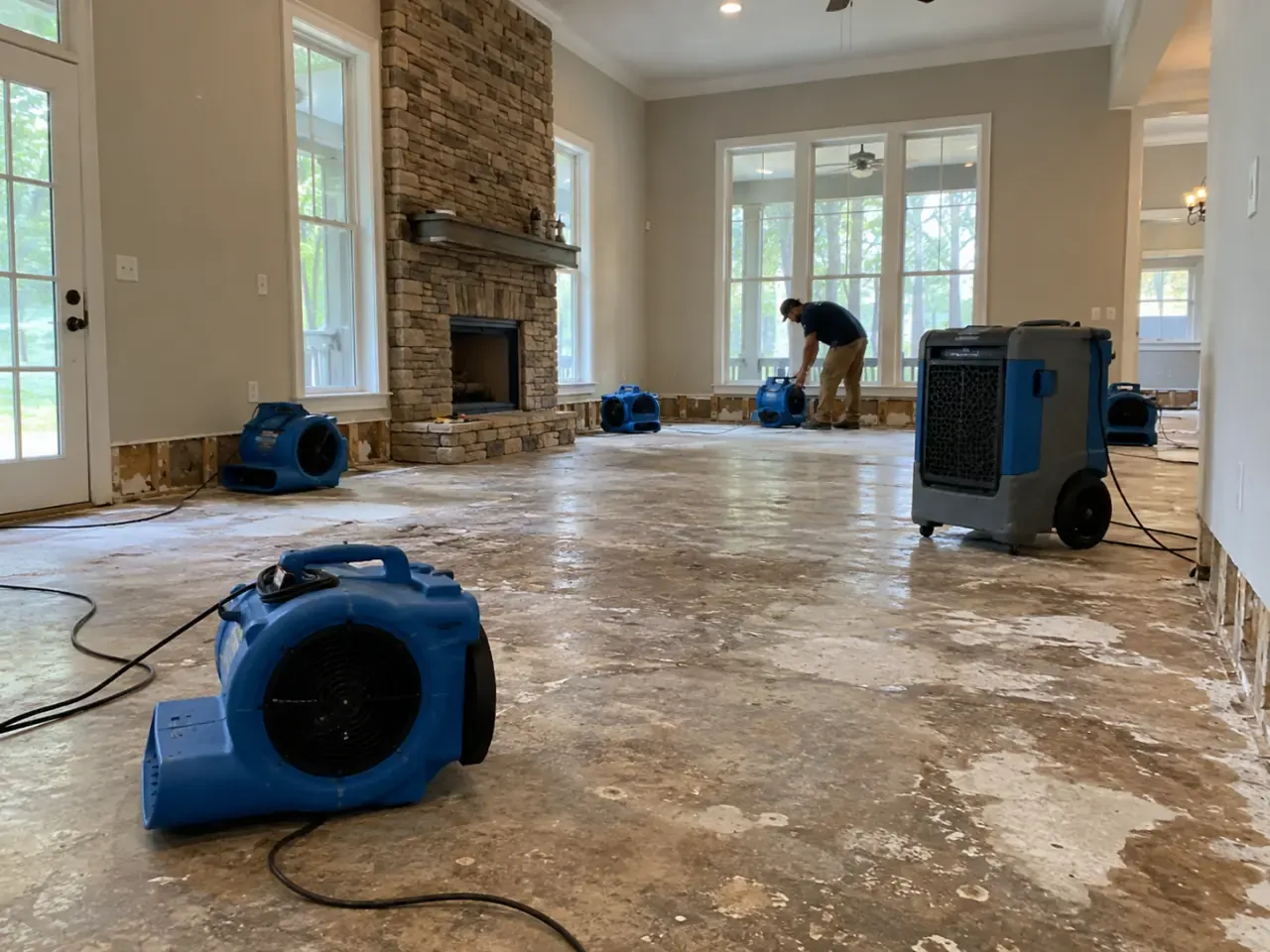
Air movers and a commercial dehumidifier are positioned to circulate air and remove moisture from the affected zone. We account for room layout and avoid directing airflow into unaffected spaces. Follow-up readings guide equipment adjustments and help confirm when drying is complete.
Targeted Surface Cleaning
Where the water condition and material allow, we clean affected surfaces and use an appropriate antimicrobial disinfectant according to its label. Contaminated water requires a different plan from a clean supply-line leak. We identify the distinction before selecting cleaning procedures.
Service overview
Flood Water Extraction & Cleanup in Denver
Flood Water Extraction & Cleanup in Denver is a water-damage restoration service that removes unwanted water and dries affected building materials after flooding or a plumbing failure. We first identify the water source and affected rooms, then use pumps or extraction equipment to remove pooled water. Next, we check flooring, drywall, and other materials for moisture and place drying equipment where readings show it is needed. That sequence matters: visible puddles can disappear while water remains under carpet, behind baseboards, or below the floor surface.
Denver homes face basement flooding after heavy rain, frozen pipe leaks during cold snaps, and burst pipe water damage when a line fails indoors. Our flood cleanup services in Denver, Colorado address the water and the affected materials, not just the surface puddle. We begin 24/7 flood water extraction in Denver CO when an urgent call comes in, then track drying with repeat moisture readings. Quick removal reduces the time water sits against carpet padding, hardwood flooring, or drywall.
How we workWe verify the cause, compare realistic options, and confirm the repair before we leave.
The service timeline
How Cleanup Moves Forward
The process flexes to the condition, but these checkpoints keep decisions clear.
Assess and Protect
We begin by locating the water source, identifying electrical or access hazards, and mapping affected rooms. You show us where water appeared and what has already been shut off. The initial inspection usually takes 20 to 45 minutes, depending on the size of the property. We protect unaffected areas and separate salvageable contents before extraction starts.
Pump Standing Water
If water is deeper than surface puddles, we use a submersible pump to lower the level before detailed extraction. Pumping time depends on depth, drainage, and the volume collected; a few inches across a basement can take longer than a small utility-room leak. We monitor discharge and keep you informed as the water level drops.
Extract Wet Materials
We make repeated passes with a portable extraction unit or truck-mounted water extractor on accessible carpet and flooring. A wet/dry vacuum handles smaller pockets and edges that a larger tool cannot reach. We move light furniture where safe, inspect carpet padding, and flag materials that are saturated or contaminated rather than treating every surface alike.
Dry and Monitor
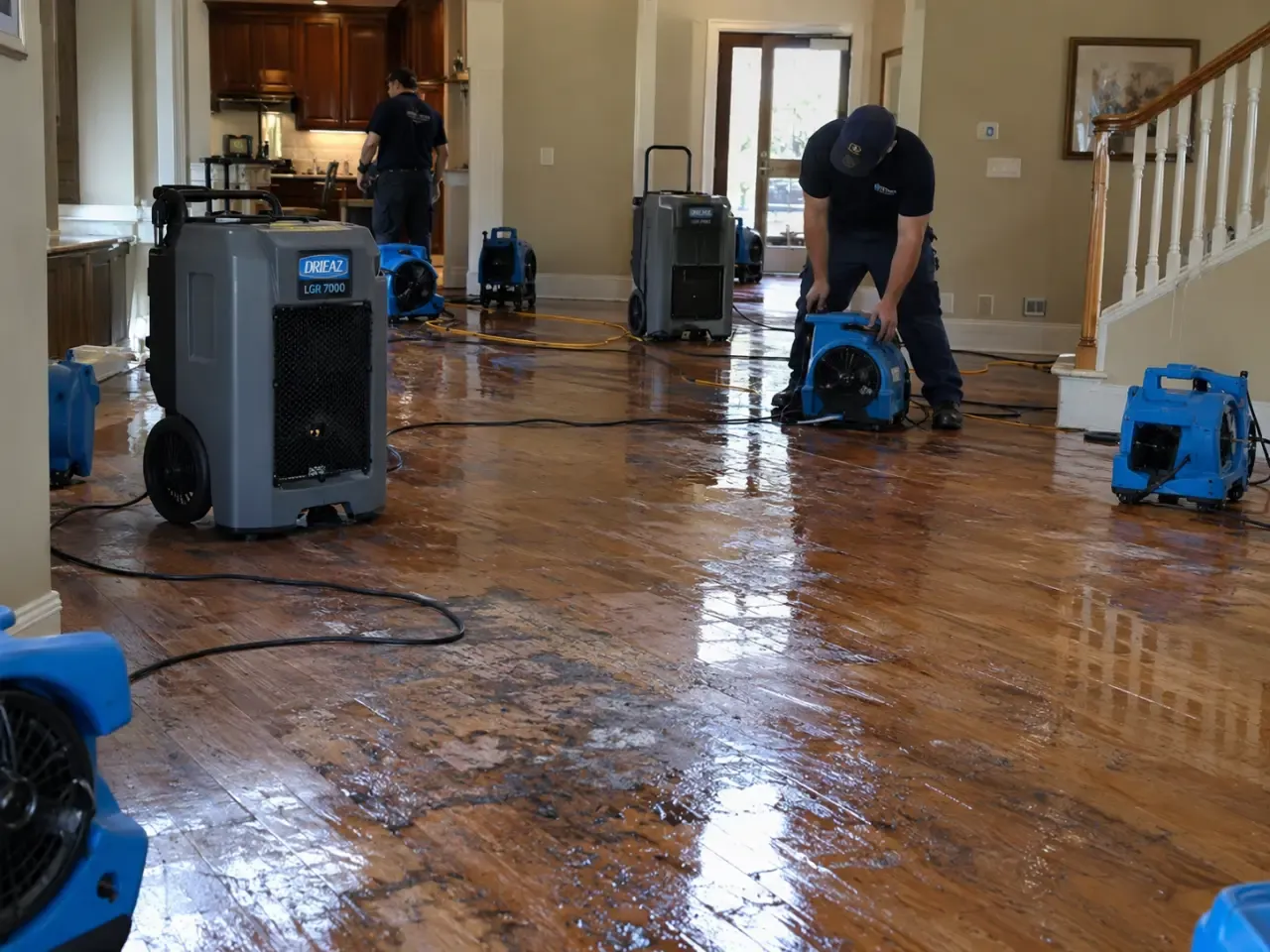
After extraction, we position air movers and a commercial dehumidifier to move moisture out of the room and capture it from the air. Drying commonly takes 3 to 5 days, but material depth and indoor conditions affect the schedule. We return for moisture readings, reposition equipment when needed, and explain what each reading means.
Verify and Close
At the final check, we compare moisture readings in affected materials with nearby dry areas and confirm that equipment can be removed. If hidden moisture remains, we keep the drying plan active instead of closing early. We review completed work with you, identify any repair work that remains, and leave the affected areas orderly.
Tools & methods
Equipment and Drying Methods
Purpose-built equipment, used by trained technicians, so the job is done accurately the first time.
Submersible pump
We use a submersible pump to lower deeper standing water in basements and utility areas before detailed extraction. It moves bulk water efficiently, allowing the crew to inspect the floor and address remaining wet surfaces.
Truck-mounted water extractor
A truck-mounted water extractor removes liquid from accessible carpet and flooring through repeated passes. It is useful after pumping when surface water remains in a larger area and the material is suitable for extraction.
Moisture meter
A moisture meter checks affected materials and helps compare readings with nearby dry reference areas. We use those readings to locate damp zones and determine whether equipment needs to remain in place.
Commercial dehumidifier
A commercial dehumidifier captures moisture released into the air as affected materials dry. Used with properly placed air movers, it helps control the drying environment while we monitor moisture readings.
HEPA air scrubber
A HEPA air scrubber can help manage airborne particles in an appropriate controlled work area, particularly when cleanup conditions require additional containment measures. We select its use based on the material and water-loss conditions.
Use cases
When to Call for Flood Cleanup
These examples show how the service framework adapts rather than forcing every call through one repair.
Pipe Leak Across a Hallway
A failed supply line soaked a hallway and the edge of a bedroom carpet while the homeowner was away. The surface water had been wiped up, but the carpet padding remained saturated and a nearby baseboard felt damp. The leak source was stopped before restoration began. → We extracted the affected carpet, inspected the padding and floor beneath, and placed air movers with dehumidification. Readings improved over 3 days, and the crew documented the remaining damp area before removing equipment. The homeowner had a clearer basis for deciding which materials could be retained.
Laundry Overflow Into Living Space
A washing machine overflow spread from a laundry closet into a carpeted hall. The visible puddle was small, but water had traveled under the threshold and into carpet padding. The homeowner needed the hallway open while the wet assembly was addressed. → We extracted the hallway carpet, checked the floor transition, and arranged drying equipment to preserve a clear walking route. Follow-up moisture readings over 3 days showed progress below the carpet surface. The crew reviewed the affected footprint and identified the materials that still needed attention.
Problems we solve
Problems Solved by Fast Extraction
If water stays in a home, it spreads into materials that are harder to dry than a bare floor. Our team removes accessible water, checks likely travel paths, and starts drying based on actual readings. That is how we address urgent leaks without overlooking damp carpet padding, hidden structural moisture, or a wet wall cavity.
Basement water spreading across stored belongings and floor edges
We pump pooled water, extract wet flooring where appropriate, and separate affected contents from dry items. Our technicians inspect floor edges and lower walls for moisture, then set drying equipment based on the room and materials. You receive clear guidance on what can be dried and what needs further attention.
Burst pipe water soaking carpet and nearby drywall
After the plumbing source is stopped, we remove pooled water and extract the carpet surface. A moisture meter helps us check the floor edge and nearby drywall. We place air movers and dehumidification where readings support them, then recheck the affected areas during the drying period.
Sewage backup leaving contaminated water on finished floors
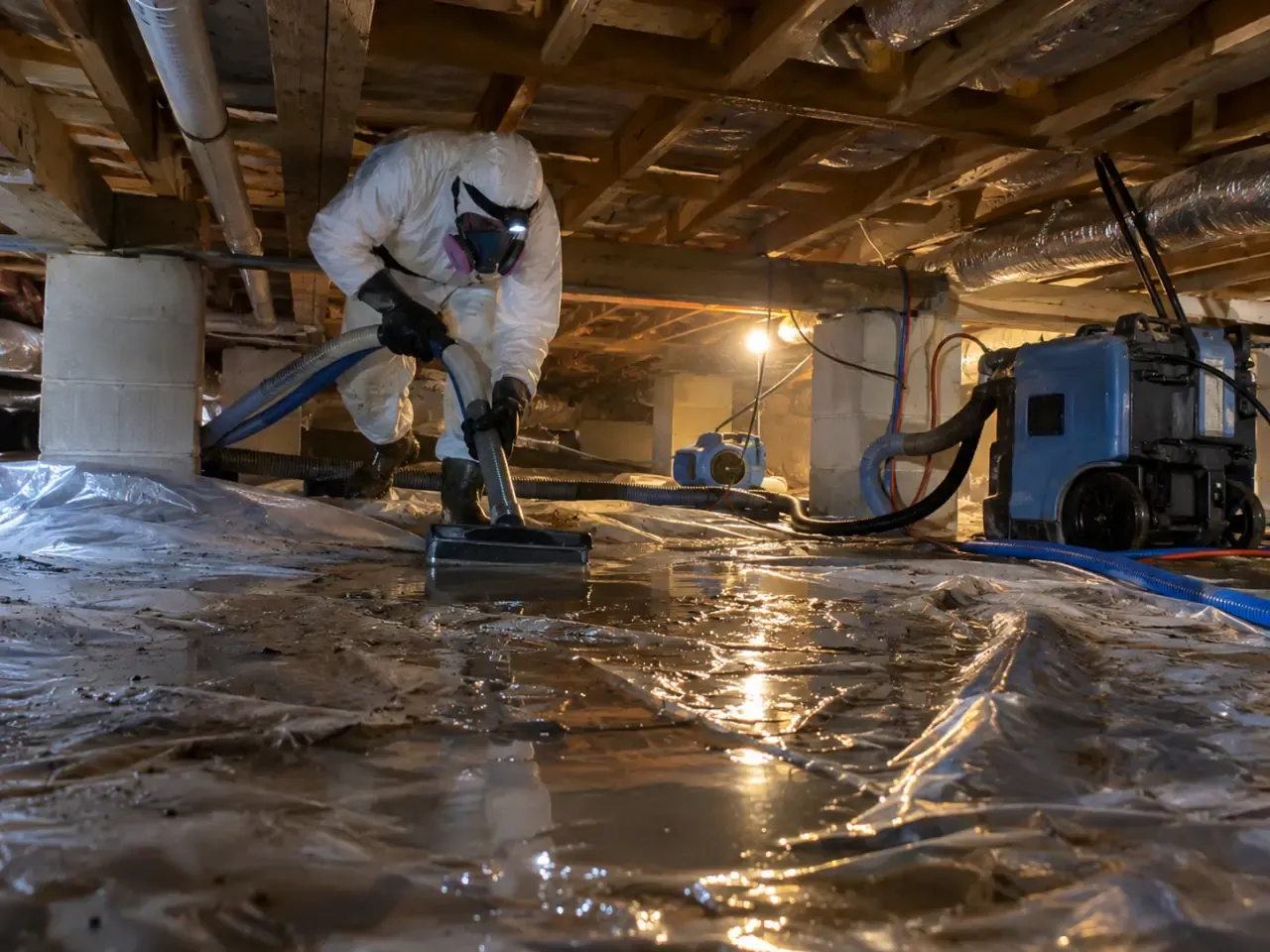
We establish a controlled work area, remove contaminated water with suitable equipment, and address affected materials according to the water condition. Where surface cleaning is appropriate, we use EPA-registered disinfectant label compliance. We also identify porous items that should not be treated like clean-water-damaged materials.
Water trapped below hardwood with early floor cupping
We extract surface water, check the hardwood and subflooring for moisture, and set a controlled drying plan. Repeat readings show whether moisture levels are moving in the right direction. We explain what extraction can address and when flooring evaluation or repair is needed.
Pricing process
Flood Cleanup Pricing
$250 - $5,000 or more depending on water volume, contamination, materials, and drying time
Water volume and depth
A small surface spill takes less pumping and extraction time than several inches across a basement. Deeper water can require a submersible pump before detailed cleanup begins. The amount of water also affects how long the crew needs to inspect the surrounding floor and walls.
Affected square footage
More rooms require additional extraction passes, equipment placement, and moisture checks. Water that crosses hallways or reaches multiple levels takes longer to map than a single utility-room leak. Access and the arrangement of furniture can also affect the labor required.
Material and contamination
Carpet, padding, hardwood, and drywall absorb water differently. Sewage or contaminated stormwater requires more controlled handling and cleaning than a clean supply-line leak. If porous materials are saturated, removal or additional work may be needed beyond extraction.
How quickly can flood water extraction start in Denver?
We begin the assessment as soon as our crew reaches your property, and initial setup often takes 20 to 45 minutes. Call (720) 844-2918 and tell us the water source, approximate depth, and affected rooms so we can prepare suitable equipment. Actual arrival time depends on current dispatch conditions. If it is safe, stop the source and avoid walking through standing water near electrical equipment.
What does flood water cleanup include in Denver, Colorado?
Flood cleanup includes source assessment, standing-water removal, inspection of wet materials, targeted cleaning, and drying equipment with moisture checks. A standard extraction visit often takes 2 to 6 hours; drying can continue for 3 to 5 days. If water contains sewage or other contaminants, handling and cleaning requirements change. We explain the affected areas and the next steps before work proceeds.
How much does flood water removal cost in Denver?
A small extraction job may cost $250 to $900, while larger or contaminated losses can reach $1,500 to $5,000 or more. Typical 2026 pricing depends on water volume, affected rooms, material removal, contamination, equipment days, and access. We provide upfront pricing after assessing the loss. Structural repairs, replacement materials, and reconstruction are separate from extraction and drying work.
Is emergency flood cleanup available 24/7 in Denver CO?
Yes, call (720) 844-2918 for emergency flood cleanup at any hour, including nights and weekends. Our team assesses the water source, safety concerns, and the immediate extraction needs, then starts the appropriate work when on site. For a frozen pipe leak at 2 a.m., shut off the water if safe and keep clear of wet electrical areas while help is arranged.
Related services
Related Water-Damage Services
Basement Water Removal
Basement Water Removal targets water pooling below grade after storms, seepage, or a plumbing failure. We pump standing water, extract accessible moisture, and check lower walls and floor edges where water can remain. The service connects directly to flood cleanup when the basement is the main affected area.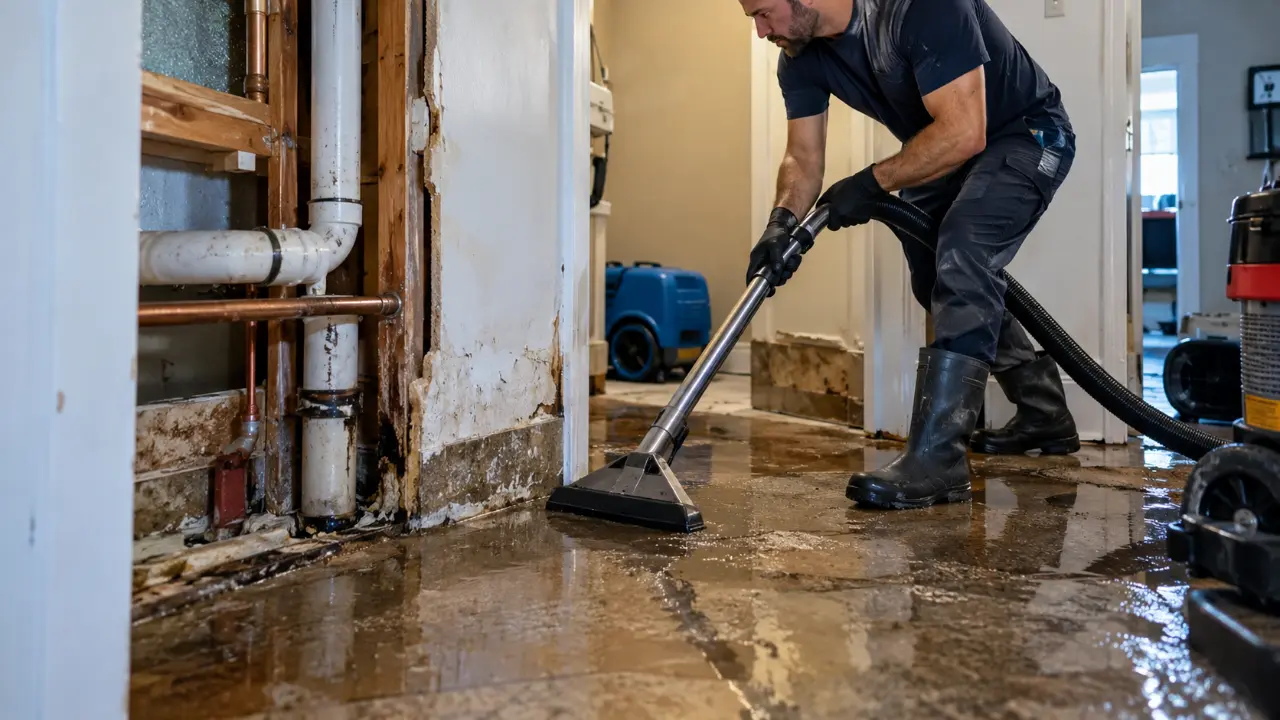
Sewage Backup Cleanup
A sewage backup brings contamination concerns that ordinary water extraction does not address. We isolate affected areas, remove contaminated water and unsalvageable materials as appropriate, then clean according to the water condition. Call promptly if a floor drain or toilet overflow has spread wastewater through your property.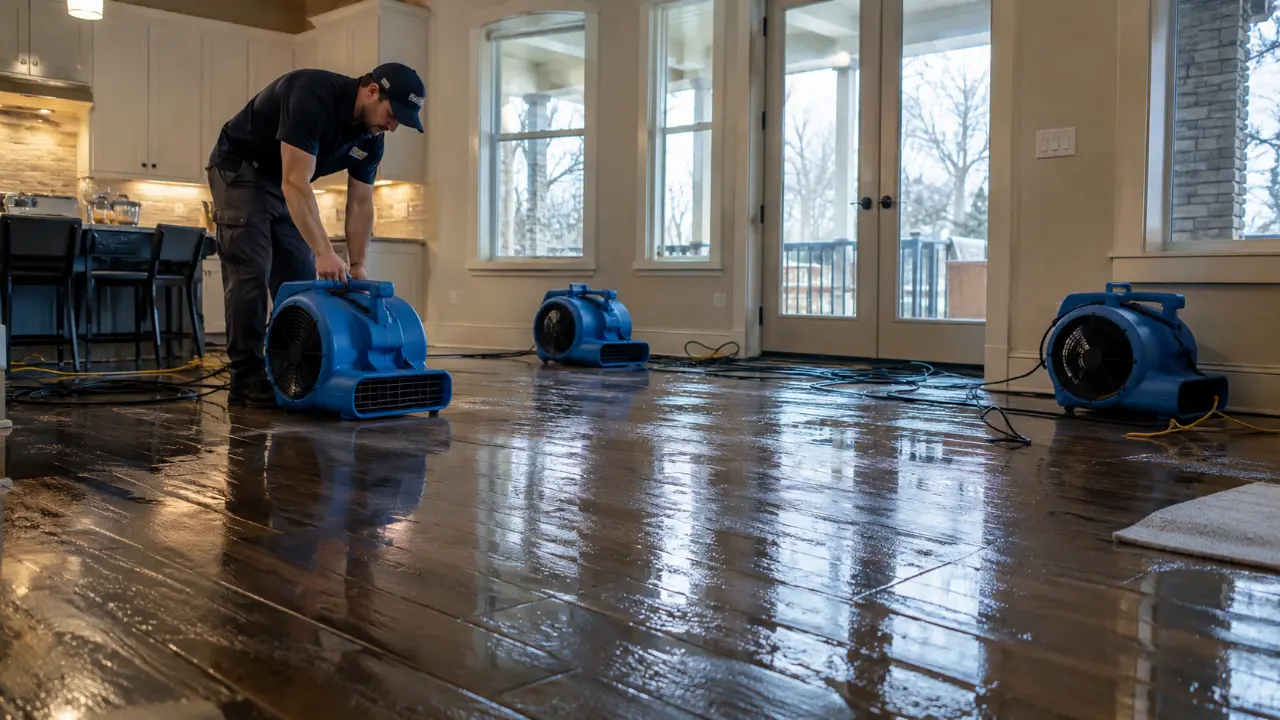
Structural Drying & Dehumidification
Extraction removes liquid water; structural drying addresses moisture left inside building materials. We position air movers and commercial dehumidifiers, then track progress with repeat readings. This follow-on service is important when drywall, flooring, or subflooring remains damp after visible water has been removed.Ready when you are
Stop Floodwater in Your Denver Property
Call Denver Water Defense at (720) 844-2918 to start Flood Water Extraction & Cleanup in Denver. Our technicians follow IICRC WRT practices and will assess the water source, remove standing water, and explain the drying plan. Tell us what happened and where water has spread.
Talk with the local team
Request Flood Water Extraction & Cleanup
If water is pooling in your home or business, call Denver Water Defense at (720) 844-2918. We take emergency calls 24/7 and respond to water extraction needs across Denver, CO. Tell us where the water started, which rooms are affected, and whether power or sewage is involved so our team can help you prioritize the next step.